When it comes to gear manufacturing, a gear skiving machine stands as a pivotal piece of equipment, offering high – efficiency and precision production. However, the effectiveness of a gear skiving machine is significantly influenced by the choice of the right cutter. As a trusted gear skiving machine supplier, I’ve witnessed firsthand the impact that an appropriate cutter can have on the overall gear – manufacturing process. In this blog, I’ll share some key considerations to help you choose the right cutter for your gear skiving machine. Gear Skiving Machine
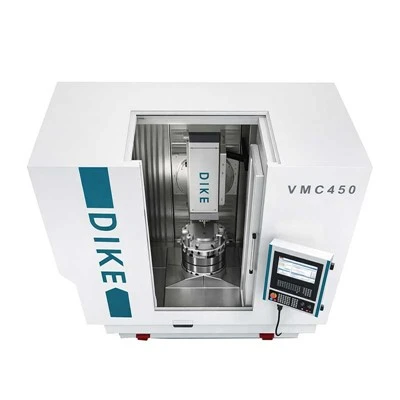
Understanding Gear Skiving and the Role of Cutters
Gear skiving is a manufacturing process used for creating gears, especially internal gears and difficult – to – reach geometries. It operates by using a cutter with a specific tooth profile that interacts with the gear blank in a coordinated motion. The cutter performs a combination of rotational and axial movements, removing material from the blank to form the gear teeth.
The cutter is the heart of the gear skiving operation. Its design, material, and cutting edge geometry directly affect the quality, precision, and efficiency of gear production. A well – chosen cutter can reduce production time, enhance gear surface finish, and improve the overall durability of the gears.
Key Factors in Cutter Selection
1. Gear Specifications
The first step in choosing the right cutter is to understand the specifications of the gear you want to produce. This includes the number of teeth, module, pressure angle, and helix angle. Each of these parameters determines the shape and size of the cutter required. For example, if you’re manufacturing a gear with a large number of teeth, you need a cutter with a corresponding tooth profile to ensure accurate replication of the gear geometry.
The module of the gear is also crucial. It represents the size of the gear teeth, and the cutter must have the appropriate module to match. A mismatch in the module can lead to inaccurate gear dimensions and poor meshing performance. Similarly, the pressure angle and helix angle of the gear influence the cutter’s design. The cutter must be designed with the correct pressure and helix angles to ensure proper engagement with the gear blank and to produce gears with the desired performance characteristics.
2. Material Compatibility
The material of the gear blank is another important factor. Different materials have different cutting properties, and the cutter material must be selected accordingly. For example, when machining soft materials like aluminum or brass, high – speed steel (HSS) cutters can be a cost – effective choice. HSS cutters offer good cutting performance and are relatively easy to sharpen.
However, for harder materials such as alloy steels or hardened metals, carbide cutters are often preferred. Carbide cutters are extremely hard and wear – resistant, allowing them to maintain their cutting edge for a longer time when machining tough materials. They also offer higher cutting speeds, which can significantly increase the production efficiency.
3. Cutting Edge Geometry
The cutting edge geometry of the cutter plays a vital role in the cutting process. It includes parameters such as rake angle, clearance angle, and cutting edge radius. The rake angle affects the cutting force and chip formation. A positive rake angle reduces the cutting force, making the cutting process smoother, but it may also reduce the strength of the cutting edge. A negative rake angle, on the other hand, increases the cutting edge strength but requires more cutting force.
The clearance angle is designed to prevent the cutter from rubbing against the workpiece. A proper clearance angle ensures that the cutting edge can penetrate the material effectively and reduces the risk of tool wear. The cutting edge radius also affects the surface finish of the gear. A smaller cutting edge radius can produce a smoother surface finish, but it may also be more prone to chipping.
4. Production Volume
The production volume is an important consideration when choosing a cutter. For low – volume production, a general – purpose cutter may be sufficient. These cutters are more flexible and can be used for a variety of gear applications. They are also relatively inexpensive, making them a cost – effective choice for small – scale production.
However, for high – volume production, specialized cutters are often recommended. These cutters are designed specifically for a particular gear geometry and material, and they offer higher cutting speeds and longer tool life. Although the initial cost of specialized cutters may be higher, the savings in production time and tool replacement costs can be significant in the long run.
5. Machine Compatibility
The cutter must be compatible with your gear skiving machine. This includes considerations such as the cutter’s shank diameter, mounting method, and maximum rotational speed. The shank diameter of the cutter must match the spindle of the gear skiving machine to ensure proper installation and alignment.
The mounting method of the cutter is also important. Different machines may require different mounting types, such as collet chucks or hydraulic chucks. Using an incompatible mounting method can lead to poor cutter performance and may even damage the machine. Additionally, the cutter’s maximum rotational speed must be within the capabilities of the machine to prevent overheating and premature tool wear.
Evaluating Cutter Manufacturers
In addition to considering the above factors, it’s also important to evaluate the cutter manufacturers. A reputable cutter manufacturer will offer high – quality cutters that are designed and manufactured to meet strict standards. Look for manufacturers with a proven track record in the gear – cutting industry. They should have experience in designing cutters for a wide range of gear applications and materials.
Check the manufacturer’s quality control processes. A good manufacturer will have strict quality control measures in place to ensure that each cutter meets the specified requirements. They should also offer technical support and after – sales service. This can be invaluable in case you encounter any problems with the cutter during the production process.
Conclusion

Choosing the right cutter for your gear skiving machine is a complex but crucial decision. By considering factors such as gear specifications, material compatibility, cutting edge geometry, production volume, and machine compatibility, you can select a cutter that will optimize the performance of your gear skiving machine and produce high – quality gears.
CNC Lathes As a professional gear skiving machine supplier, I’m well – versed in the intricacies of cutter selection and can offer you expert advice. If you’re in the market for a gear skiving machine or need assistance in choosing the right cutter, I encourage you to reach out to me. We can engage in a detailed discussion about your specific requirements and work together to find the best solution for your gear – manufacturing needs.
References
- "Gear Manufacturing Handbook" by Peter F. Ostwald
- "Cutting Tool Engineering" magazine – various issues related to gear cutting tools
- Technical papers on gear skiving published by leading research institutions in the field of mechanical engineering
Wuxi DIKE CNC Technology Co., Ltd.
As one of the most professional gear skiving machine manufacturers and suppliers in China, we have world-leading production equipment and strong manufacturing capabilities. Please feel free to buy customized gear skiving machine at competitive price from our factory. Also, pricelist is available.
Address: No. 2, Xianshan Road, Qianqiao Street, Huishan District, Wuxi City, Jiangsu Province, China
E-mail: wxdk@wxdike.com
WebSite: https://www.dike-cnc.com/
