As a supplier of silent diesel generator sets, I often encounter inquiries from customers about the grounding system of these sets. A proper grounding system is not only crucial for the safe operation of the generator but also for protecting the equipment and the people using it. In this blog, I will delve into what the grounding system of a silent diesel generator set is, its importance, and how it works. Silent Diesel Generator Set

What is the Grounding System of a Silent Diesel Generator Set?
The grounding system of a silent diesel generator set is a network of conductors and electrodes that connect the electrical components of the generator to the earth. This system provides a low – resistance path for electrical current to flow into the ground in case of a fault, such as a short – circuit or an insulation failure.
The main components of a grounding system for a silent diesel generator set typically include:
-
Grounding Electrodes: These are metal rods or plates that are buried in the ground. The most common type of grounding electrode is a copper – clad steel rod. These electrodes are designed to make good contact with the soil and provide a stable connection to the earth. The number and depth of the grounding electrodes depend on factors such as the soil resistivity and the size of the generator set.
-
Grounding Conductors: These are wires or cables that connect the electrical components of the generator, such as the frame, the neutral point, and the electrical panels, to the grounding electrodes. The grounding conductors are usually made of copper, which has good electrical conductivity.
-
Bonding: Bonding is the process of connecting all the metallic parts of the generator set together to ensure that they are at the same electrical potential. This helps to prevent the build – up of static electricity and reduces the risk of electrical shock.
Importance of the Grounding System
Safety
The primary importance of the grounding system is safety. In the event of a short – circuit or an insulation failure, the grounding system provides a path for the fault current to flow into the ground. This helps to prevent the build – up of dangerous voltages on the generator’s frame and other metallic parts. If a person touches a live part of the generator without a proper grounding system, they could receive an electric shock, which can be fatal.
Equipment Protection
A proper grounding system also protects the generator set and other connected equipment from damage. When a fault occurs, the grounding system helps to quickly clear the fault by providing a low – resistance path for the fault current. This reduces the stress on the electrical components of the generator and prevents overheating and damage to the equipment.
Electrical Noise Reduction
The grounding system can also help to reduce electrical noise in the generator set. Electrical noise can interfere with the operation of sensitive electronic equipment connected to the generator. By providing a stable reference point for the electrical system, the grounding system helps to minimize the effects of electrical noise and ensures the proper operation of the equipment.
How the Grounding System Works
When a fault occurs in the silent diesel generator set, such as a short – circuit between a live conductor and the frame of the generator, the fault current flows through the grounding conductors to the grounding electrodes and then into the earth. The low – resistance path provided by the grounding system allows the fault current to flow easily, which causes the circuit breaker or fuse to trip. This quickly interrupts the flow of current and isolates the fault, protecting the equipment and the people using it.
The effectiveness of the grounding system depends on the resistance of the grounding electrodes and the grounding conductors. The lower the resistance, the better the grounding system can perform. Soil resistivity is a key factor that affects the resistance of the grounding electrodes. In areas with high soil resistivity, additional grounding electrodes may be required to achieve a low – resistance grounding system.
Design and Installation Considerations
Soil Resistivity Testing
Before installing a grounding system for a silent diesel generator set, it is important to conduct a soil resistivity test. This test helps to determine the resistivity of the soil at the installation site, which is used to design the grounding system. Different types of soil have different resistivities, and the design of the grounding system needs to take this into account.
Sizing of Grounding Conductors
The size of the grounding conductors is also an important consideration. The conductors need to be large enough to carry the fault current without overheating. The size of the conductors is determined by the maximum fault current that the generator set can produce and the length of the conductors.
Installation of Grounding Electrodes
The grounding electrodes should be installed properly to ensure good contact with the soil. They should be buried at a sufficient depth, usually at least 2.5 meters, and spaced apart to avoid interference. The electrodes should also be connected to the grounding conductors using proper connectors to ensure a reliable connection.
Maintenance of the Grounding System
Regular maintenance of the grounding system is essential to ensure its proper operation. This includes:
Inspection
Periodic inspections of the grounding system should be carried out to check for any signs of damage or corrosion. The grounding conductors and electrodes should be visually inspected for any breaks, loose connections, or signs of wear.
Resistance Testing
The resistance of the grounding system should be tested regularly to ensure that it is within the acceptable range. A high resistance can indicate a problem with the grounding electrodes or the grounding conductors, and corrective action should be taken immediately.
Cleaning
The grounding electrodes and conductors should be kept clean to ensure good electrical contact. Any dirt, rust, or other contaminants should be removed from the surfaces of the electrodes and conductors.
Conclusion
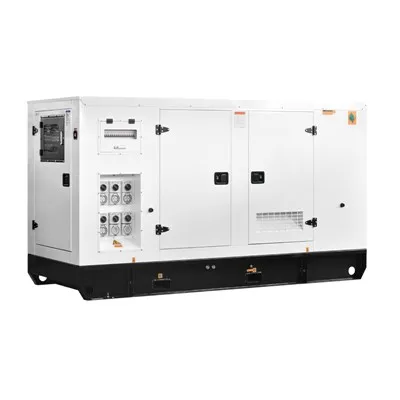
In conclusion, the grounding system of a silent diesel generator set is a critical component that plays a vital role in ensuring the safety and proper operation of the generator. A well – designed and properly installed grounding system provides a low – resistance path for fault current, protects the equipment from damage, and reduces electrical noise. As a supplier of silent diesel generator sets, we understand the importance of a reliable grounding system and can provide our customers with the necessary guidance and support for the design, installation, and maintenance of the grounding system.
Household Diesel Generator If you are interested in purchasing a silent diesel generator set or have any questions about the grounding system, please feel free to contact us for a detailed discussion. We are committed to providing high – quality products and services to meet your power generation needs.
References
- Electrical Installation Handbook, Schneider Electric
- National Electrical Code (NEC), NFPA 70
- IEEE Standard for Safety in AC Substation Grounding, IEEE Std 80
Jiangsu Kaichen Electric Power Equipment Co., Ltd.
We are one of the most professional silent diesel generator set manufacturers and suppliers in China, specialized in providing high quality diesel generators with reasonable price. We warmly welcome you to buy cheap silent diesel generator set from our factory. Contact us for pricelist and quotation.
Address: Dinghuo Industrial Park, Jiangdu District, Yangzhou, Jiangsu Province
E-mail: 19962469616@163.com
WebSite: https://www.jskaichen-power.com/
