What is a leavening agent? As a supplier deeply entrenched in the leavening agent industry, I’ve witnessed firsthand the transformative power these agents hold in the culinary world. Leavening agents are substances used in baking to make dough or batter rise, resulting in lighter, fluffier, and more palatable baked goods. They work by producing gas, which gets trapped in the dough or batter, causing it to expand and create a porous structure. Leavening Agent
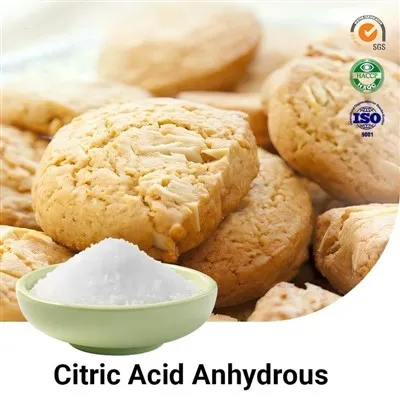
Types of Leavening Agents
Chemical Leavening Agents
Chemical leavening agents are perhaps the most commonly used in modern baking. They include baking powder and baking soda.
Baking soda, also known as sodium bicarbonate, is a simple yet powerful leavening agent. When combined with an acid (such as buttermilk, lemon juice, or vinegar) and moisture, it undergoes a chemical reaction that produces carbon dioxide gas. This gas causes the dough or batter to rise. For example, in a classic chocolate chip cookie recipe, the acidic cocoa powder reacts with the baking soda to create the characteristic lift and spread of the cookies.
Baking powder, on the other hand, is a combination of baking soda, an acid (usually cream of tartar), and a starch (such as cornstarch). The starch serves to absorb moisture and prevent the baking soda and acid from reacting prematurely. Baking powder can be either single – acting or double – acting. Single – acting baking powder reacts immediately when it comes into contact with moisture, while double – acting baking powder has two stages of reaction: one when it gets wet and another when it is heated in the oven. This makes double – acting baking powder more versatile and reliable for a wide range of baking applications.
Biological Leavening Agents
Yeast is the most well – known biological leavening agent. Yeast is a living organism, specifically a type of fungus. When yeast is mixed with sugar and warm water, it becomes active and starts to ferment. During fermentation, yeast breaks down the sugar into carbon dioxide and alcohol. The carbon dioxide gas gets trapped in the dough, causing it to rise.
There are different types of yeast available, such as active dry yeast, instant yeast, and fresh yeast. Active dry yeast needs to be rehydrated in warm water before use, while instant yeast can be added directly to the dry ingredients. Fresh yeast, which has a shorter shelf life, is often used in professional bakeries for its superior flavor and leavening power.
Physical Leavening Agents
Physical leavening agents rely on the expansion of air or steam to make the dough or batter rise. Whipping egg whites is a common example of using a physical leavening agent. When egg whites are whipped, air is incorporated into them, creating a foam. As the egg whites are heated in the oven, the air expands, causing the baked good to rise. This is often used in recipes like meringues, soufflés, and angel food cakes.
Steam can also act as a leavening agent. When water in the dough or batter turns into steam during baking, it expands and helps to lift the product. This is particularly important in products like puff pastry, where the multiple layers of dough and fat trap steam, causing the pastry to puff up into light, flaky layers.
The Importance of Leavening Agents in Baking
Leavening agents are crucial for several reasons. Firstly, they improve the texture of baked goods. Without leavening agents, bread would be dense and flat, and cakes would be heavy and hard. The gas produced by leavening agents creates a network of air pockets in the dough or batter, resulting in a light and airy texture.
Secondly, leavening agents enhance the flavor of baked goods. In the case of yeast, the fermentation process produces various flavor compounds, such as esters and aldehydes, which give bread its characteristic aroma and taste. Chemical leavening agents can also affect the flavor, as the acid – base reactions can influence the Maillard reaction, which is responsible for the browning and development of complex flavors in baked goods.
Thirdly, leavening agents increase the volume of baked goods. This not only makes the products more visually appealing but also allows for a greater yield. For commercial bakers, this can translate into higher profits and more efficient production.
Factors Affecting the Performance of Leavening Agents
The performance of leavening agents can be affected by several factors. Temperature is a critical factor. Yeast is most active at a specific temperature range (around 25 – 30°C or 77 – 86°F). If the temperature is too low, the yeast will be inactive, and if it is too high, the yeast will die. Chemical leavening agents also have optimal temperature ranges for their reactions. For example, double – acting baking powder has a second stage of reaction that occurs at higher temperatures in the oven.
The amount of moisture in the dough or batter is also important. Leavening agents need moisture to react. If the dough is too dry, the chemical reactions may not occur properly, and the yeast may not be able to ferment. On the other hand, if the dough is too wet, the structure of the baked good may be compromised.
The presence of other ingredients can also affect the performance of leavening agents. For example, salt can slow down the fermentation process of yeast, while sugar can provide food for the yeast and enhance the reaction of chemical leavening agents.
Our Role as a Leavening Agent Supplier
As a leavening agent supplier, we play a vital role in the baking industry. We ensure that our customers have access to high – quality leavening agents that meet their specific needs. We source our ingredients from reliable suppliers and use strict quality control measures to ensure the consistency and effectiveness of our products.
We offer a wide range of leavening agents, including different types of baking powder, baking soda, and yeast. Our products are suitable for both home bakers and commercial bakeries. We understand that different baking applications require different leavening agents, and we are committed to providing our customers with the right products and technical support.
We also stay up – to – date with the latest research and developments in the field of leavening agents. This allows us to offer innovative products that meet the changing demands of the market. For example, we are constantly working on developing leavening agents that are more environmentally friendly and have better performance characteristics.
Conclusion
Leavening agents are an essential part of the baking process. They transform simple dough and batter into delicious, light, and fluffy baked goods. Whether you are a home baker looking to make the perfect cake or a commercial bakery producing large quantities of bread, the right leavening agent can make all the difference.
Sodium Benzoate If you are in the market for high – quality leavening agents, we invite you to contact us for a procurement discussion. We are confident that our products and services will meet your expectations and help you achieve the best results in your baking endeavors.
References
- "The Science of Baking" by Paula Figoni
- "Bread: A Baker’s Book of Techniques and Recipes" by Jeffrey Hamelman
- "Professional Baking" by Wayne Gisslen
Fudijia (Tianjin) Supply Chain Co., Ltd.
With abundant experience, we re one of the most professional leavening agent manufacturers and suppliers in China. We warmly welcome you to wholesale bulk high quality leavening agent made in China here from our factory. For more information, contact us now.
Address: 301-2-1C,Jin Bin Jie Zuo,No.98, Huanghai Road,TEDA, Tianjin, China
E-mail: foodchem@hjlfoods.com
WebSite: https://www.ifoodchem.com/
