Let’s cut to the chase—if you’re here, you’ve probably just dug into some subframe parts for your ride, or maybe you’re staring at a worn-out one that’s making your car drive like a shopping cart with a wonky wheel. I’ve been knee-deep in the subframe parts game for years now, and let me tell you: not every part you pull off a shelf (or a sketchy online listing) is built to last. As someone who’s spent hours inspecting every single subframe that leaves my shop, I’ve learned how to spot the junk before it ruins your alignment, your tires, or worse—your drive. This isn’t some fancy engineering manual; it’s real, on-the-ground stuff that’ll save you time, cash, and headache. Subframe Parts

First off, let’s get one thing straight: subframes aren’t just metal slabs bolted to your chassis. They’re the backbone of your suspension, steering, and even your powertrain. If they’re garbage, nothing else works right. I’ve seen a cheap off-brand subframe crack after three months of potholes, and it’s not pretty. So how do you sniff out the bad ones before you drop your cash? Let’s start with the most obvious, but most overlooked, step: the physical check. I always tell my customers to run their hands over the entire subframe like they’re inspecting a used couch—feel for dents, bends, or weird warps. Wait, but not just any dents: if a dent is in a high-stress area (like where the control arms bolt on), that’s a red flag. A subframe should be straight as an arrow. Even a tiny, almost unnoticeable bend can throw off your alignment so bad you’ll be fighting with your steering wheel every time you hit a bump. I once had a customer bring in a subframe he bought from a random online seller; he said it “looked fine” until I pointed out a 2mm bend in the front cradle. Turns out the seller had shipped it sideways in a box and never bothered to check. That stuff happens more than you think.
Next, let’s talk about the welds. This is where cheap manufacturers cut corners big time. Real subframe welds—we’re talking factory or quality aftermarket—are smooth, consistent, no gaps, no spatter all over the place. Bad welds? They’re lumpy, inconsistent, might even have tiny cracks. I’ve seen junk subframes where the welds on the motor mounts are so weak, they flex when you wiggle the mount with a pry bar. If you can move a weld with your fingers (okay, not with your bare hands, but with a good pry tool) that’s a problem. Also, check if the welds are on the inside of the frame tubes, not just the outside. Cheap companies will only weld the outside to save time and metal, which means the inside is unprotected and will corrode way faster. Corrosion is another big one—rust spots that are deep, not surface-level. If you tap a rust spot and it crumbles like dirt, that’s a bad sign. Subframes are usually made of steel that’s coated with a galvanized layer to fight rust, right? If you see flaking coating or rust penetrating through, that metal’s thin, and it’s going to give out soon.
Then there’s the material itself. I know it sounds boring, but trust me, this matters. Quality subframes are made with high-strength steel, the kind that bends a little when you hit a pothole but doesn’t snap. Cheap subframes? They use thin, low-grade steel that’s like soda can metal. You can actually compare the weight: a good aftermarket subframe for a compact car is around 50-55 lbs. A bad one will be 10-15 lbs lighter. That’s not a typo—they save on metal to cut costs, and you end up with a part that’s useless after six months. I once had a customer bring in two subframes: mine, and the one he’d bought cheap. We set them on a scale, and mine was 52 lbs, his was 38 lbs. He said the cheap one felt “flimsy” when he picked it up, but he thought it was just his imagination. Turns out, the thin steel bent after a month of driving on back roads.
Wait, let’s not forget about the mounting points. These are the spots where bolts, control arms, and sway bars attach. On a good subframe, the mounting points are machined flat, so the bolts seat evenly. Bad subframes? The mounting points are rough, uneven, or even tapered. When you bolt them on, they don’t sit flush, which means you’ll have to force the bolts in, and they’ll strip the threads. I’ve seen this happen so many times—customers spend hours trying to torque bolts down, only to have the threads give way because the mounting point was cheaply cast. Also, check if the mounting holes are the right size. Cheap manufacturers might drill holes that are slightly too big or too small, so your bolts won’t line up. That’s not just a hassle; it’s a safety issue. If the bolts don’t seat right, they can come loose while you’re driving.
Another thing I always tell people: look for marks or labels that show quality. Reputable aftermarket subframes have part numbers stamped or etched clearly, and they’ll usually have a quality control mark (like a small sticker or stamp) from the manufacturer. The bad ones? Their part numbers are stamped crookedly, or the labels are peeling off, or there’s no mark at all. Some will even copy the part number from a real brand, so you have to cross-check it with the original. Also, check if the subframe comes with the necessary hardware. A lot of junk sellers will sell you the subframe alone, no bolts or brackets, so you have to buy them separately. But even worse, they’ll give you hardware that’s low-grade too. Quality subframes should come with grade 8 bolts (the ones with the lines on the head, meaning they’re strong enough for the job). Grade 5 or less? That’s a no-go.
Let’s talk about real-world red flags, too. If you’re buying used subframes (I know sometimes it’s cheaper), there are extra things to watch for. First, check the previous damage. If the subframe has been in an accident, there might be hidden bends or cracks that aren’t visible at first glance. I always take a magnet to used subframes—if there’s any place where the magnet doesn’t stick, that means it’s been welded or repaired, which could mean a hidden issue. Also, look at the subframe’s history. If it’s from a car that was totaled in a flood, it’s probably full of rust that you can’t see. I once turned down a used subframe because the seller said it was from a “sunken car,” and sure enough, when I sprayed a little water on it, rust started seeping out of a seam.
Wait, but what about when the part’s already on your car? How do you tell if the subframe itself is bad, not just a part attached to it? The symptoms are pretty obvious, if you know what to look for. First, uneven tire wear. If your tires are wearing down on the inside or outside edge way faster than normal, that’s usually a subframe alignment issue. Second, steering that feels loose or vibrates. If you’re driving straight and the steering wheel wobbles, or if you have to hold it tight to keep the car going straight, that’s a subframe problem. Third, clunking or rattling noises when you go over bumps. If you hear a loud bang under your car when you hit a pothole, that’s probably a loose or worn subframe mount, or even a crack in the subframe itself. Fourth, visible fluid leaks. Wait, subframes don’t leak oil, but if you see transmission fluid or power steering fluid leaking near the subframe, that could mean the mount for your transmission is cracked or bent, which is attached to the subframe. Don’t ignore that—those leaks can mess up your whole drivetrain.
And here’s a secret I’ve learned over the years: price isn’t everything, but it is an indicator. If a subframe is 50% cheaper than the average for your car, it’s probably junk. I know it’s tempting to go for the deal, but you get what you pay for. A good quality subframe might cost a few hundred bucks more, but it’ll last for years, not months. I’ve had customers come back to me a year after buying my subframe parts, saying they’re still going strong, while the ones they bought cheap from Amazon or eBay are already broken. That’s not a coincidence.
Look, I’m not here to bash other sellers—sometimes people just don’t know what to look for. But as someone who’s in the subframe parts business, I want you to walk away with a part that works, not one that’s gonna leave you stranded on the side of the road. If you’re not sure how to check a subframe, or if you want to make sure you’re getting a quality part, hit me up. I don’t do pushy sales stuff—if you have questions about a part, send me pics, tell me what car you’ve got, and I’ll help you figure out if it’s good or not. No pressure, no hidden fees, just real advice from someone who’s actually in the trenches with these parts every day.
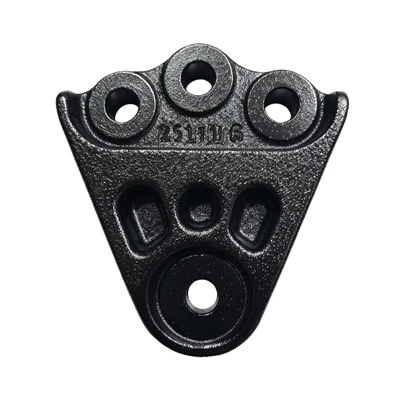
At the end of the day, your subframe is what keeps all your car’s important parts in line. Don’t cut corners on it. Take the time to check for bends, bad welds, thin metal, and proper mounting points. If something feels off, it probably is. And if you need a second opinion, or if you’re ready to grab a quality subframe that’ll last, just reach out. I’m here to help you make the right call for your ride.
Subframe Parts References
- Automotive Service Excellence (ASE). (2022). Suspension and Steering Systems Certification Study Guide. National Institute for Automotive Service Excellence.
- Steel Manufacturers Association. (2021). High-Strength Steel for Automotive Applications. SMA Technical Bulletin.
- International Organization for Standardization (ISO). (2020). Road Vehicles – Chassis Components – Requirements and Test Methods. ISO 612:2020.
Ninghai Zhengda Moulding Co., Ltd.
As one of the most professional subframe parts manufacturers and suppliers in China, we also support customized service. Please feel free to wholesale durable subframe parts in stock here from our factory. Welcome to contact us for pricelist.
Address: No. 2088-3, Xuemian North Road, Taoyuan Subdistrict, Ninghai County
E-mail: xgs9425@outlook.com
WebSite: https://www.cn-zhengda.com/
