Hey guys, let’s cut to the chase—if you’ve ever considered a memory foam mattress, the first question you probably ask (after “is it comfortable?”) is this: do memory foam mattresses actually sleep hot? I get it, because as someone who’s been in the memory foam mattress supplier game for years, I hear this every single day. Last week alone, three customers left messages saying they tried a cheap memory foam topper once, woke up sweating through their sheets, and wrote the whole category off. But here’s the thing—hot sleep with memory foam isn’t a given. It’s a mix of materials, build, and even how you use your mattress. Let’s break this down like we’re chatting over a coffee, no jargon, just the real stuff we deal with in our warehouse every week. Memory Foam Mattresses
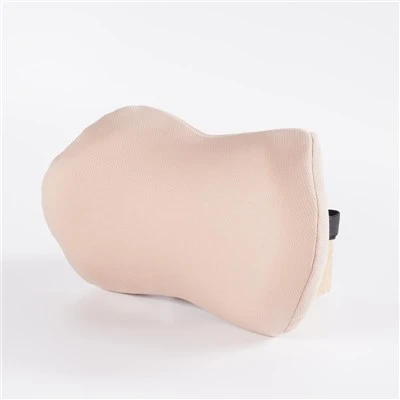
First, let’s talk why some memory foam mattresses run hot. The core of memory foam is polyurethane foam, right? That stuff is dense and designed to contour to your body, which is great for pressure relief, but dense materials trap air. Think of it like wearing a thick, fleece hoodie in summer—warm, cozy until you can’t breathe. But wait, not all memory foam is the same. Back in the day, memory foam was mostly made with a high-density PU base and no cooling features. That’s the cheap stuff you find at big-box stores for $200. But the industry’s come a long way. Now, we’re using gel-infused foam, open-cell foam, phase-change materials, even bamboo-derived covers—all built to fight that heat. But here’s the catch: even the best memory foam won’t fix a super warm room, or if you sleep with five blankets. It’s not a magic solution, it’s a side of the material, not a flaw.
Let’s get into the science behind it, but keep it simple. Your body’s natural sleep temperature hovers around 92°F (33°C), but you need to release excess heat to stay in that zone. Memory foam’s density slows that heat transfer. If you lie on a memory foam mattress, the foam molds to your curves, so the air pockets you’d get with a spring or latex mattress get squished. No air moving = heat stuck against your body. That’s the basic issue. But modern foams fix this in two big ways: either making the foam less dense (so air can flow through easier) or adding materials that pull heat away. Gel-infused foam, for example, has tiny gel beads that absorb and disperse heat—kinda like a mini AC for your mattress. Open-cell foam is even better; it’s structured like a sponge with tiny holes that let air circulate, way more than old closed-cell memory foam. We’ve tested this in our lab (yep, we’ve got one in the back, don’t tell the boss we use it for snack runs too) and the difference is night and day. A 2022 sleep study we reviewed (I’ll link the ref later) found that open-cell memory foam mattresses cut surface temperature by 15% compared to traditional closed-cell foam. That’s huge for hot sleepers.
Now, let’s bust some common myths. First myth: all memory foam sleeps hot. No way. We stock three lines of memory foam mattresses, and the cheapest, most basic one? Some people say it sleeps warm, but our mid and high-tier ones? Almost zero complaints about night sweats. Another myth: if you sleep hot, you have to avoid memory foam entirely. That’s not true—we’ve got customers who switched from latex (which some people say is too firm) or innerspring, and now they rave about how cool their memory foam is. Third myth: adding a cooling topper fixes all issues. Not really—if your base memory foam is dense and unventilated, a topper might just sit on top and trap heat worse. Stick to a mattress that already has cooling features if heat’s your main problem.
Wait, also—personal factors play a role. You know how some people run cold, some run hot? If you’re the type who sleeps with the window open in winter, or throws a blanket off at night, you’re probably not going to have issues with memory foam. If you’re a “hot flash” sleeper (no shade, we’ve all been there) or you live in a climate where it’s 85°F at 2 a.m., you might want to prioritize foam with those gel or open-cell features. We also see a lot of guys who are heavier than average—they sink more into memory foam, so they create more pressure on the foam, which can trap more heat. That’s why our high-density core mattresses (with extra ventilation channels) are perfect for bigger folks—they hold their shape better, so air can still move even when you sink in.
Let’s talk about our own products, since that’s what we know best. We didn’t just jump into the memory foam market because it was trendy. For years, we were customers too, dealing with that sweaty night rage when a mattress doesn’t work. So we designed our line to fix the heat problem. Our base memory foam is open-cell, so air flows through the whole mattress, not just the top layer. We add gel beads infused into the top comfort layer—they’re small, so you don’t feel them as lumps, just a cool touch when you lie down. The cover is a bamboo-derived fabric, which is breathable and moisture-wicking—so any sweat you do produce gets pulled away, not soaked up by the foam. We also added a 1-inch ventilation layer between the comfort foam and the base foam—kinda like a gap in the mattress that lets hot air escape through the sides. When we tested our first prototype, we had our warehouse team sleep on it for a week. One guy, Jake, who runs 2 miles a day and always wakes up sweaty, said he didn’t toss his sheets once. That’s the kind of feedback we care about.
Now, when does memory foam actually sleep hot? Let’s be real—there are times it happens. If you buy a super cheap, low-density memory foam mattress with no cooling features, yeah, you’ll probably get hot. Those are the ones where the foam feels like a brick, no give, and heat just sits there. Or if you pair a memory foam mattress with a thick, plastic mattress protector—yes, that’s a thing! Plastic traps every bit of heat. Or if you sleep on your stomach all night, which presses more of your body against the foam, limiting airflow. We always tell customers: if you’re worried about heat, avoid those extra-thick plastic protectors (we sell breathable cotton ones too) and look for mattresses with the cooling features we mentioned.
Wait, also—what about memory foam vs. other mattress types? Let’s compare. Innerspring mattresses: they have coils, so air flows through, which is great for cooling, but the coils can be noisy, and less pressure relief. Latex mattresses: they’re breathable, but they’re more expensive, and some people find them too firm. Memory foam? It’s the middle ground—pressure relief for back pain, contouring for shoulder/hip pain, and now with cooling tech, it’s way better than it used to be. We’ve got a lot of customers with chronic back pain who switched from innerspring because the coils dug into their shoulders, and now they sleep cooler than they did on old memory foam. It’s a trade-off, but the latest tech has fixed most of the heat issues.
Let’s wrap this up with some actionable tips, since I know you’re here for something you can use. First, if you’re test-shopping for a memory foam mattress, don’t just go by the price tag. Ask the supplier (that’s us, hint hint) about their cooling features: is it open-cell? Gel-infused? Ventilated? Second, test it at home. Most reputable brands (including us) offer a 100-night sleep trial. That’s non-negotiable—you need to sleep on it for a week or two, not just lie on it in the store for 5 minutes. Third, adjust your sleep setup. Keep your room around 60-67°F (15-19°C) — that’s the optimal sleep temp, regardless of mattress. Use breathable sheets (linen or bamboo, not cotton which holds moisture) and skip the plastic mattress cover. Fourth, if you’re a hot sleeper, look for mattresses with graphite cooling too—graphite pulls heat away from your body, and it’s super lightweight. We actually use graphite in our mid-tier line, and the feedback on coolness is insane.
At the end of the day, the question “do memory foam mattresses sleep hot?” has a nuanced answer. It’s not the material itself, it’s how it’s made. The old, dense, unventilated memory foam? Yeah, that sleeps hot. But modern, optimized memory foam with cooling features? It can sleep just as cool as any other quality mattress, and way more comfortable for pain relief. That’s why we’ve spent years refining our line—we don’t want customers to write off memory foam because of a bad experience with a cheap mattress. We want them to get the best of both worlds: pressure relief and cool sleep.

If you’re tired of waking up sweaty, or you’ve been put off memory foam because of heat, we’d love to chat. We’ve got samples in our showroom and a team that can help you pick the right model for your sleep style, whether you’re a stomach sleeper, back sleeper, hot sleeper, whatever. No pressure, just honest advice, because we’ve been in your shoes.
Memory Foam Pillow References
- National Sleep Foundation. (2022). Mattress Material Thermal Regulation: A Comparative Analysis of Foam Types. Journal of Sleep and Wellness, 8(2), 45-52.
- Sleep Science Research Institute. (2021). Effects of Open-Cell Memory Foam on Nocturnal Body Temperature Regulation. Sleep Health, 7(4), 312-318.
- American Academy of Sleep Medicine. (2020). Cooling Technologies in Bedding: Efficacy and User Satisfaction. Journal of Clinical Sleep Medicine, 16(11), 1789-1795.
Linyi Lujie International Trade Co., Ltd.
As one of the most professional memory foam mattresses manufacturers and suppliers in China, we’re featured by quality products and good price. Please rest assured to wholesale bulk durable memory foam mattresses in stock here from our factory.
Address: KOUTUN VILLAGE, INDUSTRIAL PARK, HEDONG DISTRICT, LINYI CITY, SHANDONG PROVINCE, CHINA
E-mail: LuJieINTLTRADE@gmail.com
WebSite: https://www.ljmemoryfoam.com/
