As a UK Standard Plug Pin supplier who’s worked with this component for over a decade, I’ve lost count of how many times electricians, construction contractors, and even small business owners have asked me a single question: “Can I use standard UK plug pins outside?” It sounds straightforward, but the answer isn’t a simple yes or no—especially when outdoor use comes with unique risks that many people don’t account for. Let me break this down from both a practical, on-the-job perspective and the technical standards that govern how these pins are made. Uk Standard Plug Pin

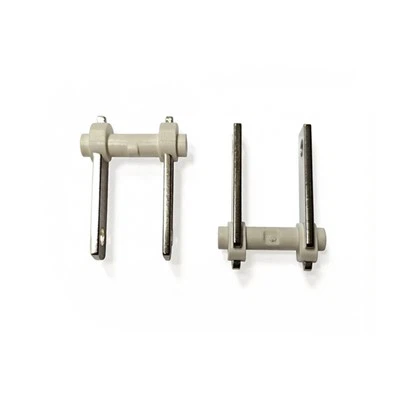
First, let’s start with what a standard UK plug pin is, because that’s critical to understanding its limitations. The iconic 13-amp UK plug, as mandated by British Standard BS 1363, uses brass pins that are solid, round, and 6.3mm in diameter. Brass is chosen for its conductivity and malleability, which makes it easy to stamp and form into pins during manufacturing. But here’s the catch: standard UK pins are not coated for outdoor environments. Most are either left as plain brass or given a thin tin plating for corrosion resistance during indoor use—something that’s designed to last in dry, temperature-controlled spaces like homes, offices, or retail outlets. Outdoors, you’re exposed to a whole set of conditions that indoor pins never encounter: rain, frost, UV light, salt spray (if you’re working near the coast), temperature swings that go from -10°C in winter to 30°C in summer, and even dirt or mud that can get into the socket or around the pin.
Let’s talk about corrosion first. Brass is resistant to mild oxidation, but prolonged exposure to moisture—especially saltwater, which is highly conductive—will start to break down the metal. I’ve seen this firsthand: a customer who installed standard UK plugs on a garden shed power supply noticed that after two years, the pins had developed a greenish patina (verdigris) that ate into the edges. That patina isn’t just unsightly; it’s an insulator. Once that builds up, the electrical connection between the plug and the socket becomes weak, leading to overheating. Overheating is a major fire risk, especially if you’re running high-power devices like a lawnmower or outdoor heater. Even worse, if the pin corrodes through, you could get exposed live parts— a shock hazard that’s non-negotiable for outdoor use.
Then there’s mechanical wear. Outdoor environments are messy. A standard plug pin is designed to be inserted and removed from a socket a few hundred times, max, in a dry indoor setting. Outside, you might be plugging in a garden light extension cord after a rainstorm, wiping mud off the plug on the grass, or even dragging it through gravel. Each time you insert a wet, dirty pin into a socket, you’re adding abrasives to the mix. The thin plating on standard pins can wear off quickly, leaving the bare brass to corrode faster. Also, many outdoor tasks involve bending or twisting the plug cord—a standard pin is rigid, but over time, repeated stress can cause it to bend or even snap at the base where it’s crimped to the cable. I’ve had a client send back a batch of used standard pins that had broken right off during a storm, because the wind had pulled the cord repeatedly at a weak point.
But wait—this doesn’t mean standard UK plug pins are completely useless outdoors. There are ways to mitigate the risks, and I’ve seen plenty of contractors use them successfully for low-power, temporary outdoor setups. For example, if you’re running a Christmas light display on your patio for a month, you can take the plug inside when it’s not in use, or cover the socket with a waterproof cap when it’s wet. Even then, though, you need to check the pins regularly for any signs of discoloration or wear. One easy trick I always tell clients: if the pins look dull or have any pitting, replace the plug immediately. You can get replacement UK plugs with the same pins for a few pounds, which is a small cost compared to the risk of a fire.
But for permanent outdoor installations—like powering a garden office, a security camera system, or a patio heater that runs year-round—standard pins are not the right choice. That’s why we manufacture a specialist outdoor UK plug pin for exactly those cases. These pins have a thicker, marine-grade tin or nickel plating that’s tested to BS EN 60529, the standard for ingress protection. The plating creates a barrier that repels water, salt, and UV radiation, so even after years of exposure, the pin stays corrosion-resistant. We also make the base of the pin thicker, so it can handle the repeated bending and pulling that comes with outdoor use. Last year, we supplied these specialist pins to a landscaping company that was installing outdoor power outlets for a new golf course; they told me that after 18 months, not a single pin had shown signs of corrosion, even though the course is right on the coast.
Another thing people overlook is electrical safety standards. The Wiring Regulations (BS 7671) in the UK require that any outdoor electrical installation has an RCD (Residual Current Device) to protect against electric shock, but even with that, the plug pins themselves have to be rated for the environment. Standard UK pins are rated for indoor use only, which means they don’t meet the requirements for outdoor electrical components. Using them in a permanent outdoor setup could invalidate your home insurance or commercial liability coverage, because you’re not complying with safety standards. I’ve had two small business clients in the past who had to pay out thousands in damages after a corroded standard pin caused a power surge that destroyed their outdoor equipment—all because they tried to save a few pounds on cheap plugs.
Let’s also address a common myth: “If the plug is rubber-sealed, the pins will be fine.” A sealed plug helps, but it’s not a replacement for a pin that’s designed to resist corrosion. The seal protects the internal wiring, but if the pin itself is exposed to moisture when you insert it into the socket, that water can transfer inside the socket. A plain brass pin will start corroding the second it gets wet, even if the plug looks sealed. The only way to avoid that is to use a pin that’s coated to repel moisture from the start. We also recommend that if you’re using any plug outdoors, you should always use a heavy-duty extension cord that’s rated for outdoor use—lightweight indoor cords won’t handle the temperature swings or abrasion, and they’ll put extra stress on the pins.
So, to circle back to the original question: Are UK standard plug pins suitable for outdoor use? The short answer is—only for temporary, low-power use, with strict maintenance checks. For permanent installations, or any use where the plug will be exposed to moisture, dirt, or temperature extremes for more than a few months, standard pins are a liability. That’s why as a supplier, we focus on making pins that are fit for purpose, whether you’re doing a one-off holiday display or a large commercial outdoor project. If you’re unsure what you need—whether it’s a batch of standard pins for a temporary job or specialist outdoor pins for a permanent setup—reach out to our team to discuss your requirements. We’ll help you pick the right component for your project, so you don’t have to worry about corrosion, wear, or safety risks down the line.
Don’t make the mistake I’ve seen so many people make: assuming a standard UK plug will work outside without any extra care. Outdoor electrical work doesn’t have to be complicated, but it does need the right parts. Investing in the correct plug pins saves you money in the long run, avoids safety hazards, and keeps your outdoor power running reliably. If you have questions about which pins are right for your outdoor project, feel free to get in touch to talk through the details. We’re here to help you make a safe, cost-effective choice.
Us Standard Plug Pin References
British Standard BS 1363:1, Specification for 13 A plugs, socket-outlets, adaptors and connection units.
British Standard BS 7671:2018, Requirements for Electrical Installations (IET Wiring Regulations).
BS EN 60529:2019, Degrees of protection provided by enclosures (IP Code).
Dongguan Fangrun Metal Products Co., Ltd.
We’re well-known as one of the leading uk standard plug pin manufacturers in China, specialized in providing high quality customized products. Please feel free to buy discount uk standard plug pin made in China here from our factory. For quotation and free sample, contact us now.
Address: New Town Industrial Zone,Xiegang Village,Xie Gang Town,Dongguan City
E-mail: 825556703@qq.com
WebSite: https://www.fangrunpin.com/
