Hey everyone! Let’s cut to the chase—if you’re a building owner, architect, or facilities manager who works in coastal areas, you’ve probably stared at fire rated window specs and thought, “Wait… will these actually hold up here?” Because coastal regions come with their own chaos: salt air, constant humidity, random storm surges, and way more rust and corrosion than your average inland spot. And as someone who’s been in the fire rated window game for years (let’s be real, I sell these bad boys), I get that hesitation. It’s not like we can slap a standard fire rated window on a beachfront condo and call it a day, right? So let’s break this down—no boring jargon, no confusing code loops, just the real talk on whether fire rated windows work where the ocean is your next-door neighbor. Fire Rated Window
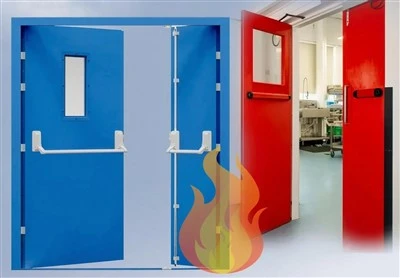
First, let’s do a quick refresh on what a fire rated window actually does, because half the time even folks buying them mix this up. These aren’t just regular windows with a fancy sticker; they’re tested to withstand a specific amount of fire—like 20 minutes, 45 minutes, even 90 minutes—without failing. Their whole gig is to slow fire from spreading between rooms, floors, or buildings, and also to block heat and smoke so people can escape. The testing process is no joke, either: they get blasted with extreme heat, then hosed down with water to simulate firefighting efforts, and have to keep their integrity (no flames seeping through) and thermal rating (the other side stays cool enough). That’s the core job.
Now, coastal areas throw a big wrench in that core job: corrosion. Salt is basically the kryptonite for most window materials. Let’s be real, we’ve all seen a metal bike left on the beach for a week turn into a rusted mess. The same thing happens to aluminum, steel, even some composite frames—if they’re not treated right. Wait, but hold on—fire rated windows aren’t made with cheap metal. The good ones (the kind we sell) are built with corrosion-resistant materials as a non-negotiable, not an afterthought. But does that mean every fire rated window is coastal-proof? Absolutely not. The difference is in the design and the additional testing.
Let’s get into the specifics of what makes a fire rated window coastal-worthy. First, the frame material. A lot of standard fire rated windows use regular aluminum, but that’s not going to cut it in a place like Miami or Galveston. Salt air eats through aluminum’s natural oxide layer over time, leaving it pitted and weak, which messes with both its structural strength for fire rating and its ability to hold up to coastal weather. The solution? We use marine-grade aluminum alloys for our coastal-specific fire rated windows—those are like aluminum’s tough cousin, made with extra magnesium and manganese to fight corrosion. For buildings that need extra heavy-duty stuff, like beachfront hotels exposed to storm winds, we also offer steel frames that are hot-dip galvanized, then coated with a powder finish specifically formulated to resist salt. That coating isn’t just a pretty face, either—it’s tested to last 10+ years in salt spray, way longer than standard coatings.
Next up, the glazing. The glass in fire rated windows is way different from regular glass—regular shatters in fire, but fire rated glazing is made with layered borosilicate or ceramic that holds up to heat. But in coastal areas, that glazing has to handle more than just fire. It has to handle humidity, which can cause seal failure. If the seals go, moisture gets between the glass layers, leading to fogginess, and worse, the glazing’s structural integrity drops. Wait, but our coastal fire rated windows have a special secondary seal—we use butyl rubber and silicone together, not just the single seal you find in standard windows. That dual seal keeps moisture out even when the air is thick with salt, so the glazing stays intact year after year. We also test these windows in salt spray chambers for thousands of hours before they hit the market—way more than the standard testing requirements for fire rated windows. That’s not overkill, that’s how we know they’re actually going to work on a coast, not just pass a lab test once.
Then there’s the installation. Even the best window in the world is useless if you install it wrong. Coasta areas have another thing: wind-driven rain. A bad seal around the window frame lets water get into the wall cavity, which not only causes rot in the wood framing but also eats away at the window’s edges. For our coastal fire rated windows, we don’t just caulk the edges—we use a multi-step installation process: we apply a waterproof flashing tape behind the window, then use a marine-grade silicone caulk that’s designed to flex with temperature changes (no cracking in the sun or cold), and then we add a corrosion-resistant trim over the outside edge. That extra step isn’t in every fire rated window installation manual, but it’s non-negotiable for coastal spots. We train every team that installs our windows on this, because we’ve seen too many jobs where a missed seal meant a window that passed fire tests in the lab but failed after a year of beach storms.
Wait, but let’s address the elephant in the room: do fire rated windows need any extra maintenance in coastal areas? The short answer is yes, but not more than other coastal windows—they just need a little more care to keep their fire rating intact. Twice a year, you should give the frames a wash with fresh water to get rid of salt deposits, and check the seals around the glazing and frame. If you spot a tiny crack in the caulk, fix it right away—small issues turn big fast in salt air. But here’s the thing: if you buy a regular, inland-only fire rated window, you’re going to have way more maintenance, and risk losing their fire rating faster because of corrosion. Our coastal-specific models are built to resist that, so their maintenance is pretty similar to any high-quality coastal window.
Now, let’s talk code—because no one wants to get on the wrong side of building codes, especially in coastal areas where hurricanes mean constant inspections. Most building codes don’t say you can’t use fire rated windows in coastal areas—they just say they have to meet both fire rating requirements and coastal corrosion or wind requirements. A lot of architects accidentally mix these up, like specifying a fire rated window that only meets inland corrosion standards, which leads to delays or failed inspections. The good news is that fire rated windows can absolutely check both boxes—you just need to make sure the window is listed as both fire rated and coastal-resistant. Our windows have third-party certifications for both fire resistance (up to 90 minutes, depending on the model) and salt spray resistance (per ASTM B117, that’s the standard for coastal corrosion testing), so you don’t have to guess or worry about code violations.
Let’s throw in a real-world example to make this relatable. Last year, we worked on a beachfront apartment complex in Daytona Beach. The architect originally wanted to use regular fire rated windows they’d used inland before, but when we walked them through the corrosion risks, they switched to our coastal models. A year later, the property manager reached out to say that even after Hurricane Ian’s heavy rain and wind, none of the windows had rust spots, foggy glazing, or seal issues. That’s the stuff that matters—windows that do their job during a fire, and don’t fall apart before their time because of the ocean.
Another common question: can you upgrade existing fire rated windows to be coastal-ready? If you already have fire rated windows that aren’t coastal-specific, it’s not impossible, but it’s tricky. You’d have to replace the frames with marine-grade ones, re-seal the glazing with a dual seal, and probably re-coat the exterior with a salt-resistant finish. But a lot of the time, it’s more cost-effective in the long run to just replace them with windows that are built for coastal use from the start, because you avoid the maintenance and risk of losing fire rating down the line.
Wait, let’s make sure we’re not overpromising. No window is indestructible, right? If you leave a coastal fire rated window exposed to salt water full-time (like, say, permanently submerged in a storm surge that doesn’t recede), even the best ones will corrode eventually. But that’s a edge case—most coastal buildings aren’t built to be in constant saltwater. For standard beachfront, waterfront, or even beach-adjacent buildings (like 1-2 miles from the ocean), our coastal fire rated windows are built to handle that environment for 20+ years, while keeping their fire rating fully intact.
So to circle back to the original question: Can fire rated windows be used in coastal areas? The answer is a resounding yes—if you pick the right ones. The key is to skip the generic fire rated windows, and opt for models designed with corrosion resistance and coastal performance built in, not added on as an afterthought. That means marine-grade frames, dual-seal glazing, salt-resistant coatings, and third-party testing to back it up, plus proper installation done by a team that knows coastal specifics.
At the end of the day, coastal areas need windows that pull double duty: they have to keep the ocean’s elements out during storms, fight corrosion year after year, and still do their main job—stop fires from spreading when things go wrong. Generic fire rated windows aren’t built for that, but specialized coastal fire rated windows absolutely are.

If you’re working on a project in a coastal area—whether it’s a hotel, condo, office building, or residential home—and you’re tired of guessing which windows will actually hold up to both fire and salt, hit us up. We can walk you through the different models, share testing data, and even connect you with installers who specialize in coastal projects. Don’t let corrosion or bad code choices derail your build; let’s make sure your windows are safe, durable, and check all the boxes.
Rolling Shutter Door Reference:
ASTM B117, Standard Practice for Operating Salt Spray (Fog) Apparatus
NFPA 257, Standard on Fire Test for Window and Glass Block Assemblies
ICC-ES AC 19, Acceptance Criteria for Fire-Resistant Joint Systems for Penetrations Through Fire-Resistant Assemblies
Hebei Hong’an Fire Door Co. Ltd.
Hebei Hong’an Fire Door Co., Ltd. is one of the most professional fire rated window manufacturers and suppliers in China, featured by quality products and low price. Please rest assured to wholesale advanced fire rated window made in China here from our factory. Customized orders are welcome.
Address: Bianbian Industrial Zone, Hejian City, Cangzhou City, Hebei Province, China
E-mail: hongandoor@outlook.com
WebSite: https://www.honganfd.com/
