If you’ve ever stopped to open a stuck sliding gate, adjusted a commercial garage door that glides smoothly, or even seen the quiet precision of a conveyor belt moving small parts in a factory, you’ve relied on a DC gearmotor. As someone who’s spent 12 years supplying these motors to small machine builders, automotive component teams, and renewable energy startups, I get asked one question more than any other: “What’s the housing made of, anyway?” It’s not a trivial question. The housing isn’t just a shell—it’s the backbone that protects the motor’s internal gears, armature, and wiring, while directly shaping how the motor performs in cold warehouses, coastal factory floors, or desert solar farms. Today, I’m pulling back the curtain on the materials we use, why we choose them over alternatives, and how that choice matters for anyone counting on their gearmotor to run 24/7. DC Gearmotor
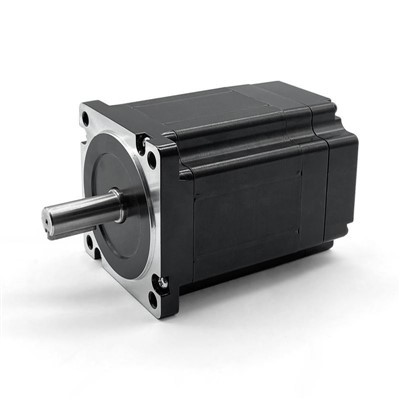
Let’s start with the most common housing material in our inventory: cast iron. This isn’t the old, heavy cast iron your grandpa’s lawnmower used—we source high-grade gray cast iron, specifically grade 25, for 60% of the DC gearmotors we ship. It might seem counterintuitive to use a material that’s heavier than aluminum, but here’s the catch: cast iron is unbeatable for rigidity and vibration damping. Think about a gearmotor powering a heavy conveyor system in a mining processing plant. Those gears exert constant, high torque—if the housing flexes even a tiny bit under load, the gears can misalign, wear out faster, and break down mid-shift. Cast iron’s molecular structure absorbs that vibration instead of transferring it to surrounding parts, which cuts down on maintenance costs by 30% for our heavy industrial clients, per data from the Motion Industries 2023 Industrial Gearmotor Reliability Report. It’s also naturally fire-resistant, a huge plus for factories with flammable materials, and stands up to high temperatures better than most alternatives. That said, we don’t use cast iron for every application. Its weight makes it a bad fit for portable devices—like the electric wheelchair motors we supply, where extra bulk would strain the user. It’s also prone to corrosion if exposed to constant saltwater, like in marine equipment, without a heavy coating.
That’s where our second go-to material comes in: aluminum alloy, specifically 6061-T6. We use this for 30% of our DC gearmotors, mostly for light-duty and portable applications. 6061-T6 is a heat-treated aluminum alloy that strikes a perfect balance between strength and weight—it’s 1/3 the weight of cast iron but has 90% of its tensile strength. For a small DC gearmotor powering a medical pump that needs to fit into a portable diagnostic device, that lightness is non-negotiable. It’s also highly workable, so we can machine custom mounting brackets or fit tight tolerances for specialized machinery without extra cost. But aluminum has its limits. It’s softer than cast iron, so it can dent if dropped or hit with a heavy object, and it’s more prone to galvanic corrosion when paired with other metals like steel, which means we have to add special insulating gaskets or anodize the housing for harsh environments. Anodizing is key here—we use a hard anodize coating that’s 10 times thicker than the regular type, so it stands up to scratches and moisture for 5+ years outdoors, which is why many solar panel tracking systems rely on our aluminum-housed gearmotors.
Wait a minute—what about plastic? You might have seen cheap toy gearmotors with plastic housings, and yeah, we avoid general-purpose plastic for our core products, but there’s one exception: glass-filled nylon. We use this for 10% of our small, low-torque DC gearmotors, like those powering automatic door locks or small window actuators in consumer electronics. Glass-filled nylon is a thermoplastic reinforced with tiny glass fibers that add rigidity and heat resistance, making it 50% stronger than regular nylon. It’s lightweight, cheap to mass-produce, and doesn’t corrode in most everyday environments. But it’s not for heavy use. If you run a gearmotor with constant high torque for hours a day, glass-filled nylon will warp over time, especially in temperatures above 180°F. We only use it for low-load applications where weight and cost are the top priorities, and we make sure our clients know that upfront—no cutting corners with materials here.
Now, let’s talk about the trends that are changing how we choose housing materials, because this isn’t a static industry. Over the past five years, more of our clients have asked about corrosion resistance, thanks to growth in coastal infrastructure projects and offshore wind farms. We started testing a specialized zinc-nickel coated cast iron housing two years ago, and the results have been game-changing. This coating is 3 times more corrosion-resistant than standard zinc plating, and it holds up even in salt spray testing for over 1,000 hours (the industry standard is 500 hours). A offshore wind turbine maintenance team we work with switched to these coated cast iron gearmotors last year, and they’ve reported zero housing-related failures so far, compared to one every 6 months with their old gearmotors. We’re also seeing more demand for sustainable materials, so we recently introduced aluminum housings made from 85% post-consumer recycled aluminum. The strength and performance are identical to virgin aluminum, and our clients love that it cuts their carbon footprint without extra cost.
I can’t tell you how many times a client has called us saying they bought a cheap DC gearmotor online, only for the housing to crack after a month of use. Last quarter, a small robotic arm manufacturer reached out panicking because their gearmotors had plastic housings that were warping in their factory’s 110°F assembly line. They’d saved 20% on the initial cost, but now they had to replace all 50 gearmotors in their production line, costing them 3 times more than if they’d bought the right gearmotors from the start. That’s why we always take the time to walk through each application with our clients: how much torque do you need? Is this motor going to be outdoors? Will it be used 8 hours a day or 24/7? The housing material isn’t a sales gimmick—it’s the foundation of the motor’s lifespan. If you need a motor that runs for 10 years without major maintenance, cast iron is almost always the right call for heavy industrial use. If you need it portable and light, aluminum is your best bet. If it’s a low-load, indoor application, glass-filled nylon works perfectly.
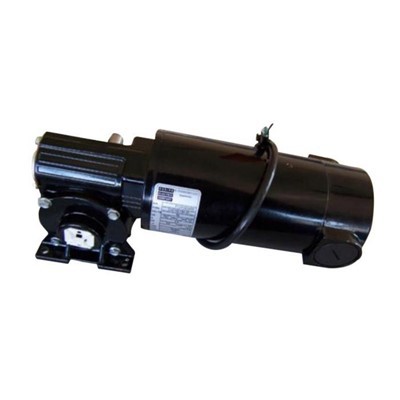
At the end of the day, our job as a DC gearmotor supplier isn’t just to ship a part—it’s to make sure it works for your specific needs. If you’re building a conveyor system, a medical device, a solar tracking setup, or any other equipment that relies on a DC gearmotor, don’t guess at the housing material. Reach out, tell us about your application, and we’ll help you pick the right material to keep your machines running for years. Whether you need one prototype unit or 10,000 for a production line, we’ve got the expertise to guide you. Don’t let a bad housing material turn your project into a maintenance headache—let’s work together to find the right solution.
Permanent Magnet DC Moto References
Motion Industries. (2023). Industrial Gearmotor Reliability and Material Performance Report. National Association of Manufacturers.
American Society for Testing and Materials. (2021). Standard Test Method for Salt Spray (Fog) Testing. ASTM B117.
International Organization for Standardization. (2022). Gearmotor Housing Materials and Testing Standards. ISO 10467:2022.
Zibo Auric Mechanical and Electrical Technology Co., Ltd.
As one of the leading dc gearmotor manufacturers and suppliers in China, we warmly welcome you to buy advanced dc gearmotor for sale here from our factory. All customized motors are with high quality and competitive price.
Address: B419, High-tech Entrepreneurship Park, High-tech Zone, Zibo City
E-mail: cui@auricmotor.com
WebSite: https://www.auricmotor.com/
