Stainless steel railings have long been a stalwart in the construction industry, offering a blend of durability, aesthetics, and functionality. As a reputable stainless steel railing supplier, I’ve encountered numerous inquiries from commercial building owners, architects, and contractors about the suitability of stainless steel railings for their projects. In this blog post, I’ll delve into the various aspects of using stainless steel railings in commercial buildings, exploring their advantages, considerations, and design possibilities. Stainless Steel Railing

Advantages of Stainless Steel Railings in Commercial Buildings
Durability and Longevity
One of the primary reasons stainless steel railings are a popular choice for commercial buildings is their exceptional durability. Stainless steel is highly resistant to corrosion, rust, and oxidation, making it ideal for both indoor and outdoor applications. In high – traffic commercial areas, where railings are often subject to frequent use and potential damage, the sturdiness of stainless steel ensures that the railings maintain their integrity over time. For example, in a busy shopping mall where people constantly lean on or brush against the railings, stainless steel can withstand the wear and tear far better than other materials like wood or aluminum.
Low Maintenance
Commercial building owners and facility managers appreciate stainless steel railings for their low – maintenance nature. Unlike wood, which requires regular staining and sealing, or iron, which may need frequent repainting to prevent rust, stainless steel railings simply need occasional cleaning to maintain their appearance. A simple wipe-down with a mild detergent and water can keep the railings looking clean and shiny. This low – maintenance requirement translates into significant cost savings over the life of the building, as less labor and fewer materials are needed for upkeep.
Aesthetic Appeal
Stainless steel offers a sleek and modern look that can enhance the overall aesthetic of a commercial building. Its reflective surface can add a touch of elegance and sophistication, making it suitable for a wide range of architectural styles, from contemporary to industrial. Whether it’s used in a high – end office building, a trendy restaurant, or a public transportation hub, stainless steel railings can create a visually appealing and clean – lined appearance. Additionally, stainless steel can be finished in different ways, such as brushed or polished, to achieve the desired look and feel.
Safety
Safety is a top priority in commercial buildings, and stainless steel railings provide an excellent protective barrier. They can be designed to meet strict safety codes and regulations, ensuring the well – being of building occupants. The strength and stability of stainless steel make it reliable for preventing falls, especially in areas with elevated platforms, staircases, or balconies. In a multi – story office building, for instance, proper installation of stainless steel railings can significantly reduce the risk of accidents.
Considerations When Using Stainless Steel Railings in Commercial Buildings
Grade Selection
Not all stainless steel is created equal, and choosing the right grade is crucial for commercial applications. The most common grades used in railing systems are 304 and 316 stainless steel. Grade 304 is suitable for most indoor and some outdoor applications with low to moderate exposure to corrosive elements. It is cost – effective and offers good corrosion resistance. On the other hand, grade 316 contains molybdenum, which provides enhanced resistance to chloride corrosion. This makes it a better choice for outdoor applications in coastal areas or environments with high humidity and exposure to saltwater, such as beachfront hotels or harborside buildings.
Design and Installation
The design of stainless steel railings should not only be visually appealing but also functional and compliant with building codes. Factors such as the height of the railing, the spacing between balusters, and the strength of the connections need to be carefully considered during the design phase. Professional installation is also essential to ensure the railing’s stability and safety. Improper installation can lead to structural issues and compromise the railing’s performance. When working on a commercial project, it’s advisable to hire experienced installers who are familiar with stainless steel railing systems.
Cost
While stainless steel railings offer many long – term benefits, the initial cost can be higher compared to some other materials. However, it’s important to view the cost as an investment. The durability and low – maintenance nature of stainless steel mean that over time, the total cost of ownership can be lower. When budgeting for a commercial building project, it’s essential to consider the long – term value of stainless steel railings and weigh the upfront cost against the potential savings in maintenance and replacement.
Design Possibilities for Stainless Steel Railings in Commercial Buildings
Customization
One of the advantages of stainless steel is its flexibility in design. It can be fabricated into a wide variety of shapes and styles to meet the specific needs and design concepts of a commercial building. Whether it’s a simple, minimalist design for a modern office or an intricate, decorative railing for a historical restoration project, stainless steel can be customized to achieve the desired look. For example, railings can be bent, curved, or cut into different patterns to create unique and eye – catching designs.
Combination with Other Materials
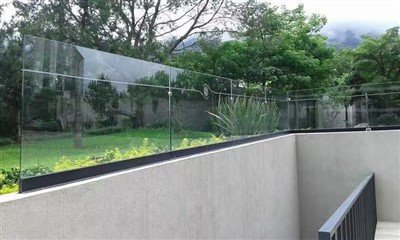
Stainless steel railings can be combined with other materials to add more visual interest and functionality. For instance, they can be paired with glass panels to create a contemporary and open – looking railing system, which is popular in modern office buildings and shopping centers. Stainless steel can also be combined with wood or stone for a more rustic or natural look, such as in a mountain lodge or a Mediterranean – style restaurant.
Coloring and Coating
Although stainless steel has a classic silver finish, it can also be colored or coated to match the building’s color scheme or design theme. There are various methods for coloring stainless steel, including powder coating and electroplating. These techniques can provide a wide range of colors, from bold and vibrant to subtle and muted, allowing for greater design flexibility.
Conclusion
In conclusion, stainless steel railings are an excellent choice for commercial buildings. Their durability, low – maintenance requirements, aesthetic appeal, and safety features make them a versatile and reliable option for a wide range of applications. However, careful consideration should be given to grade selection, design, installation, and cost. With proper planning and installation, stainless steel railings can enhance the beauty and functionality of any commercial building.
Glass Railing If you’re involved in a commercial building project and are considering stainless steel railings, I’d be more than happy to discuss your requirements. Our team of experts can provide you with detailed information on grade selection, design options, and cost estimates. Contact me to start a conversation about how stainless steel railings can transform your commercial space.
References
- "Stainless Steel Handbook" by ASM International
- "Building Codes and Standards for Railing Systems" by Building Officials and Code Administrators International
- "Architectural Metalwork: Design, Fabrication, and Installation" by David P. Billington
ZP Aluminum Co., Ltd.
ZP Aluminum Co., Ltd. is one of the most professional stainless steel railing manufacturers and suppliers in China. With abundant experience, we warmly welcome you to wholesale customized stainless steel railing made in China here from our factory. If you have any enquiry about quotation, please feel free to email us.
Address: LEPING INDUSTRIAL ZONE, SANSHUI DISTRICT, FOSHAN, GUANGDONG, CHINA
E-mail: general@zp-aluminum.com
WebSite: https://www.zp-railing.com/
