As a supplier of the AAC (Autoclaved Aerated Concrete) Raw Material Handling System, I’ve had the privilege of working closely with various clients in the construction and building materials industry. One question that often arises is about the power supply requirements for these systems. In this blog, I’ll delve into the key aspects of power supply for AAC Raw Material Handling Systems, sharing insights from my hands – on experience. AAC Raw Material Handling System
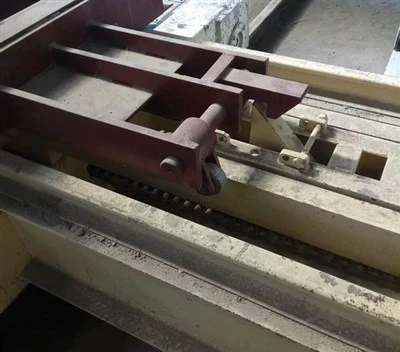
Understanding the AAC Raw Material Handling System
Before we can discuss the power supply requirements, it’s essential to understand what an AAC Raw Material Handling System does. This system is responsible for transporting, storing, and dosing the raw materials needed for AAC production. These raw materials typically include lime, cement, sand, fly ash, and aluminum powder. The system consists of various components such as conveyor belts, silos, feeders, and mixers, all of which rely on a reliable power source to function effectively.
Power Capacity Requirements
The power capacity needed for an AAC Raw Material Handling System depends on several factors. Firstly, the size of the system plays a crucial role. Larger systems with more extensive conveyor networks, larger silos, and higher – capacity mixers will naturally require more power. For instance, a small – scale AAC production facility might have a raw material handling system that requires a total power capacity of around 50 – 100 kilowatts (kW). This could be sufficient for a system with a limited number of conveyors and smaller – sized silos.
On the other hand, a large – scale industrial AAC plant with a high – volume production rate may need a power capacity ranging from 500 kW to over 1 MW. These systems often have multiple long – distance conveyors, large – capacity silos that can hold several hundred tons of raw materials, and powerful mixers capable of handling large batches at once.
Another factor affecting power capacity is the type of equipment used. Different types of conveyor belts, for example, have different power consumption rates. Screw conveyors, which are commonly used for transporting dry powders and granules, generally consume less power compared to belt conveyors, especially when they are of a large size and designed to move materials over long distances. Additionally, the motors used in the system also impact power requirements. High – efficiency motors can reduce overall power consumption, but they may come with a higher upfront cost.
Voltage Requirements
The voltage requirements for an AAC Raw Material Handling System can vary depending on the region and the specific equipment specifications. In most industrial settings, the system operates at three – phase power. Commonly, the voltage levels can range from 380 volts (V) to 480 V in many countries. However, in some regions, higher voltage levels such as 690 V may be used for larger systems to reduce power losses during transmission.
It’s important to note that the voltage stability is crucial for the proper functioning of the system. Fluctuations in voltage can cause damage to the electrical components of the system, such as motors and control panels. To ensure voltage stability, the use of voltage regulators and stabilizers may be necessary. These devices can help maintain a constant voltage level, protecting the equipment from voltage spikes and drops.
Power Quality Requirements
Power quality is another critical aspect when it comes to the power supply of an AAC Raw Material Handling System. Poor power quality can lead to various problems, including equipment malfunction, reduced efficiency, and increased maintenance costs.
One of the key power quality parameters is the presence of harmonics. Harmonics are electrical currents or voltages that have frequencies that are integer multiples of the fundamental frequency (usually 50 Hz or 60 Hz). Non – linear loads, such as variable – frequency drives (VFDs) commonly used in conveyor motors, can generate harmonics. High levels of harmonics can cause overheating of equipment, interference with communication systems, and even tripping of circuit breakers.
To mitigate the effects of harmonics, filters can be installed in the power supply system. These filters can reduce the harmonic content, improving the overall power quality. Another important power quality parameter is the power factor. A low power factor indicates that the electrical system is not using the electrical energy efficiently. This can lead to higher electricity bills and increased stress on the power supply infrastructure. Power factor correction capacitors can be used to improve the power factor, reducing energy losses and improving the efficiency of the system.
Redundancy and Backup Power
In an AAC production plant, any interruption in the power supply to the raw material handling system can have serious consequences. It can lead to production delays, material wastage, and potential damage to the equipment. Therefore, it’s essential to have a redundancy and backup power plan in place.
One option is to have a dual – power supply system. This means that the system is connected to two separate power sources, such as two different electrical feeders from the grid. In case of a failure in one power source, the system can automatically switch to the other source without any significant interruption in operation.
Another approach is to use an uninterruptible power supply (UPS). A UPS can provide short – term power during a power outage, allowing the system to shut down in a controlled manner. This can prevent damage to the equipment and ensure that the materials in the system are not wasted. For longer – term power outages, a standby generator can be installed. The generator can be diesel – powered or gas – powered and should be sized appropriately to meet the power requirements of the AAC Raw Material Handling System during the outage.
Safety Considerations for Power Supply
Safety is of utmost importance when it comes to the power supply of an AAC Raw Material Handling System. The electrical components of the system should be properly grounded to prevent electric shocks. Grounding provides a path for the electrical current to flow safely to the earth in case of a fault.
All electrical equipment should also be installed in accordance with relevant electrical safety standards. For example, motor control centers should be enclosed in suitable enclosures to protect against dust and moisture. Additionally, safety switches and circuit breakers should be installed to protect the equipment from over – current and short – circuit conditions.
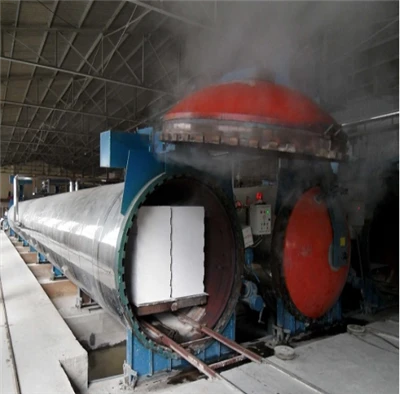
Proper insulation of electrical cables is also crucial. Worn – out or damaged insulation can lead to electrical short circuits and pose a fire hazard. Regular inspections of the electrical system should be carried out to detect any potential safety issues and take corrective actions promptly.
Contact for Procurement Negotiation
AAC Turning Cutting System If you are in the market for an AAC Raw Material Handling System and want to discuss the power supply requirements further or explore the options for your specific project, we are here to help. Our team of experts has extensive experience in designing and supplying these systems, taking into account all the power – related aspects. We can work closely with you to ensure that the system meets your power capacity, voltage, and power quality requirements, while also providing reliable redundancy and backup solutions for uninterrupted operation. Contact us to start the procurement negotiation process and let us find the best AAC Raw Material Handling System for your needs.
References
- Electrical Safety Standards for Industrial Equipment, International Electrotechnical Commission (IEC)
- Guidelines for Power Quality in Industrial Systems, Institute of Electrical and Electronics Engineers (IEEE)
- Handbook of Autoclaved Aerated Concrete Technology, by various industry experts, 2nd Edition
Qingzhou Shuangfengda Machinery Engineering Co., Ltd.
As one of the most professional AAC raw material handling system manufacturers and suppliers in China, we’re featured by quality products and good price. Please rest assured to buy durable AAC raw material handling system for sale here from our factory. Customized orders are welcome.
Address: Gaojiazhuang Village, Gaoliu Town, Qingzhou City, Shandong Province
E-mail: lenhond@163.com
WebSite: https://www.sfdmachinery.com/
