Heat dissipation is a critical aspect of the performance and longevity of silent generator sets. As a seasoned supplier of silent generator sets, I’ve witnessed firsthand the importance of effective heat dissipation methods in ensuring the smooth operation of these essential power sources. In this article, I’ll delve into the various heat dissipation methods employed in silent generator sets, shedding light on their mechanisms, advantages, and applications. Silent Generator Set

Air – cooled Heat Dissipation
Air – cooled heat dissipation is one of the most common methods used in silent generator sets, especially for smaller units. The principle behind it is relatively straightforward. A fan draws in ambient air and blows it over the hot components of the generator set, such as the engine and the alternator. As the air passes over these surfaces, it absorbs the heat and carries it away, thus cooling the components.
The fans used in air – cooled systems can be either belt – driven or electrically driven. Belt – driven fans are connected to the engine’s crankshaft via a belt. As the engine runs, the rotation of the crankshaft drives the fan, which in turn circulates the air. Electrically driven fans, on the other hand, are powered by the generator set’s electrical system. They offer more flexibility in terms of control, as their speed can be adjusted according to the temperature of the components.
One of the main advantages of air – cooled heat dissipation is its simplicity. It has fewer components compared to other heat dissipation methods, which means lower maintenance requirements and reduced costs. Air – cooled generator sets are also more portable and easier to install, making them ideal for applications where mobility is a key factor, such as small – scale construction sites, outdoor events, and residential backup power.
However, air – cooled systems do have their limitations. They are generally less efficient than liquid – cooled systems, especially in high – temperature environments. The cooling capacity of air – cooled systems is also limited by the ambient air temperature and the air flow rate. In extremely hot conditions, the air may not be able to absorb enough heat, leading to overheating of the components.
Liquid – cooled Heat Dissipation
Liquid – cooled heat dissipation is a more advanced and efficient method used in larger and more powerful silent generator sets. In a liquid – cooled system, a coolant (usually a mixture of water and antifreeze) is circulated through the engine and other heat – generating components. The coolant absorbs the heat from these components and then transfers it to a radiator.
The radiator is a key component of the liquid – cooled system. It consists of a series of tubes and fins that increase the surface area for heat transfer. As the hot coolant flows through the tubes, a fan blows air over the fins, causing the heat to be dissipated into the atmosphere. The cooled coolant then returns to the engine to absorb more heat, completing the cycle.
One of the major advantages of liquid – cooled heat dissipation is its high efficiency. The liquid coolant has a much higher heat capacity than air, which means it can absorb and carry away more heat. Liquid – cooled systems are also better able to maintain a stable operating temperature, even in extreme environmental conditions. This helps to improve the performance and reliability of the generator set, as well as extend its service life.
Another benefit of liquid – cooled systems is their quieter operation. Since the coolant absorbs and dissipates the heat, there is less need for high – speed fans, which can be a significant source of noise in air – cooled systems. This makes liquid – cooled generator sets more suitable for applications where noise reduction is a priority, such as hospitals, schools, and residential areas.
However, liquid – cooled systems are more complex and expensive than air – cooled systems. They require more components, such as a water pump, radiator, hoses, and coolant reservoir. The maintenance of liquid – cooled systems is also more involved, as the coolant needs to be regularly checked and replaced to ensure proper performance.
Oil – cooled Heat Dissipation
Oil – cooled heat dissipation is a specialized method that is often used in conjunction with other cooling methods, especially in generator sets with high – performance engines. In an oil – cooled system, engine oil is used to absorb and transfer heat from the engine components.
The oil is circulated through the engine by an oil pump. As it passes over the hot surfaces of the engine, such as the pistons, valves, and cylinder walls, it absorbs the heat. The heated oil then flows to an oil cooler, which is usually a heat exchanger. In the oil cooler, the hot oil transfers its heat to a coolant (either air or liquid), which then dissipates the heat into the atmosphere.
The advantage of oil – cooled heat dissipation is its ability to provide localized cooling to critical engine components. Engine oil has good lubricating properties, which not only help to reduce friction and wear but also assist in heat transfer. Oil – cooled systems can also operate at higher temperatures compared to air – cooled systems, which allows the engine to operate more efficiently.
However, oil – cooled systems have some drawbacks. The oil needs to be regularly changed and filtered to maintain its cooling and lubricating properties. Additionally, oil – cooled systems can be more expensive to implement due to the need for an oil cooler and associated plumbing.
Hybrid Heat Dissipation
In some cases, a combination of different heat dissipation methods, known as hybrid heat dissipation, is used to achieve optimal cooling performance. For example, a generator set may use both air – cooled and liquid – cooled systems. The air – cooled system can be used to cool the alternator, while the liquid – cooled system is used to cool the engine.
This approach combines the advantages of both methods. The air – cooled system provides simplicity and portability for the alternator, while the liquid – cooled system offers high efficiency and stable temperature control for the engine. Hybrid heat dissipation can also be customized according to the specific requirements of the generator set and its application.
Importance of Selecting the Right Heat Dissipation Method
Selecting the right heat dissipation method for a silent generator set is crucial for ensuring its optimal performance and reliability. Several factors need to be considered when making this decision.
The power output of the generator set is an important factor. Larger generator sets with higher power outputs generate more heat and generally require more efficient heat dissipation methods, such as liquid – cooling. Smaller generator sets, on the other hand, may be adequately cooled by air – cooled systems.
The operating environment also plays a significant role. In hot and humid climates, liquid – cooled systems are often preferred as they are better able to handle high temperatures. In areas where noise is a concern, such as residential neighborhoods, silent generator sets with liquid – cooled or hybrid heat dissipation methods are more suitable due to their quieter operation.
Cost is another consideration. Air – cooled systems are generally more affordable in terms of initial purchase and maintenance costs. However, if long – term performance and reliability are a priority, the higher investment in a liquid – cooled or hybrid heat dissipation system may be justified.
Conclusion
In conclusion, there are several heat dissipation methods available for silent generator sets, each with its own advantages and limitations. Air – cooled systems are simple, portable, and cost – effective, making them suitable for smaller applications. Liquid – cooled systems offer high efficiency, stable temperature control, and quiet operation, which are ideal for larger and more demanding applications. Oil – cooled systems provide localized cooling to critical engine components, and hybrid heat dissipation combines the benefits of different methods.
As a supplier of silent generator sets, I understand the importance of selecting the right heat dissipation method for each customer’s specific needs. Whether you are looking for a generator set for residential backup power, commercial use, or industrial applications, I can provide you with expert advice and a range of high – quality products.
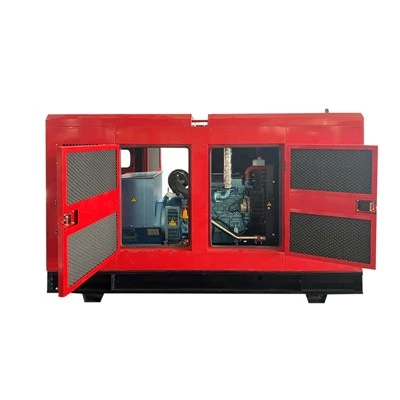
If you are interested in purchasing a silent generator set or have any questions about heat dissipation methods, please feel free to contact me for a detailed discussion. I look forward to working with you to meet your power generation needs.
Marine Generator Set References
- "Generator Handbook" by Martin R. O’Neill
- "Thermal Management of Internal Combustion Engines" by Yann Guezennec
China Modo Investment Co., Ltd.
As one of the most professional silent generator set manufacturers and suppliers in China, our products have good reputation in the market. We warmly welcome you to wholesale advanced silent generator set in stock here from our factory. If you have any enquiry about cooperation, please feel free to email us.
Address: Boye Industrial Park,Baoding city,Hebei Province,China.
E-mail: sales@mstengine.com
WebSite: https://www.mst-engine.com/
