In the dynamic landscape of automotive technology, the integrated rear axle with two gears has emerged as a significant innovation, promising enhanced performance, efficiency, and versatility. As a leading supplier in this field, I’ve witnessed firsthand the remarkable potential of this technology. However, like any complex system, it comes with its own set of challenges. This blog explores the common problems associated with integrated rear axles with two gears, offering insights from a supplier’s perspective to help you understand and address these issues effectively. Integrated Rear Axle with Two Gears
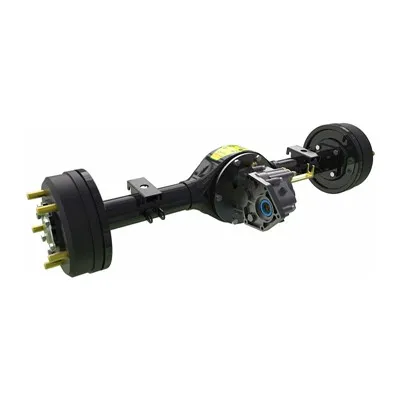
Gear Shifting Issues
One of the most prevalent problems with integrated rear axles featuring two gears is related to gear shifting. Smooth gear transitions are crucial for optimal performance, efficiency, and driver experience. However, several factors can disrupt this process.
- Synchronization Problems: Synchronizers are vital components that ensure smooth gear engagement by matching the rotational speeds of the gears. Over time, wear and tear on synchronizers can lead to rough or hesitant gear shifts. In some cases, the driver may hear grinding noises when attempting to change gears, indicating a lack of proper synchronization. This issue can be exacerbated by aggressive driving habits or improper gear shifting techniques.
- Gearbox Actuation Failures: The actuation system, responsible for changing gears, can also experience problems. Malfunctions in the solenoids, hydraulic valves, or electric motors that control gear shifting can result in delayed or inconsistent shifts. For example, a faulty solenoid may prevent the gearbox from engaging the desired gear, or it may cause the gear to slip out of engagement unexpectedly.
- Software Glitches: Modern integrated rear axles often rely on advanced electronic control units (ECUs) to manage gear shifting. Software bugs or glitches can disrupt the normal operation of these systems, leading to erratic shifting behavior. These issues may manifest as incorrect gear selections, sudden shifts without driver input, or failure to shift under certain conditions.
Lubrication and Cooling Challenges
Proper lubrication and cooling are essential for the longevity and performance of an integrated rear axle with two gears. The high speeds and heavy loads experienced in this system generate a significant amount of heat, which can cause premature wear and damage to the gears and bearings if not managed effectively.
- Lubricant Breakdown: The lubricant in the rear axle serves multiple purposes, including reducing friction, dissipating heat, and preventing corrosion. Over time, however, the lubricant can break down due to high temperatures, contamination, or chemical reactions. When this happens, its ability to provide adequate protection and lubrication diminishes, leading to increased wear and potential component failure.
- Inadequate Cooling: Insufficient cooling can also contribute to lubricant breakdown and component damage. Integrated rear axles typically rely on a combination of air and oil cooling to maintain optimal operating temperatures. If the cooling system is not designed or maintained properly, heat can build up, causing the lubricant to degrade and the components to overheat. This can result in reduced efficiency, increased noise, and ultimately, system failure.
- Contamination: Contaminants such as dirt, metal particles, and water can enter the rear axle system through leaks, poor sealing, or improper maintenance. These contaminants can cause abrasive wear on the gears and bearings, as well as interfere with the lubrication and cooling processes. Regular maintenance, including oil changes and filter replacements, is essential to prevent contamination and ensure the smooth operation of the system.
Noise, Vibration, and Harshness (NVH)
Noise, vibration, and harshness are common concerns in automotive applications, and integrated rear axles with two gears are no exception. These issues can not only affect the comfort of the driver and passengers but also indicate underlying problems with the system.
- Gear Whine: Gear whine is a high-pitched noise that can occur during gear operation. It is typically caused by improper gear meshing, worn gears, or incorrect gear tooth profile. Gear whine can be exacerbated by high speeds, heavy loads, or lack of proper lubrication. In addition to being a nuisance, gear whine can also indicate potential gear damage, which should be addressed promptly to prevent further problems.
- Vibration: Vibration in the rear axle can be caused by a variety of factors, including unbalanced components, misaligned gears, or worn bearings. Excessive vibration can not only affect the comfort of the vehicle but also lead to premature wear and damage to the rear axle components. It is important to identify and address the source of the vibration to prevent further issues.
- Harshness: Harshness refers to the perceived roughness or discomfort experienced during gear shifting or vehicle operation. It can be caused by a combination of factors, including gear shifting issues, NVH problems, and suspension characteristics. Harshness can negatively impact the driver experience and may also indicate underlying problems with the rear axle system.
Durability and Reliability Concerns
The durability and reliability of an integrated rear axle with two gears are critical factors for both vehicle manufacturers and end-users. These systems are subjected to high loads, harsh operating conditions, and frequent use, making them susceptible to wear and failure over time.
- Gear Wear: Gears are the primary components responsible for transmitting power in the rear axle system. Over time, the constant meshing and loading can cause the gear teeth to wear, resulting in reduced efficiency, increased noise, and potential gear failure. Factors such as improper lubrication, overloading, and aggressive driving can accelerate gear wear.
- Bearing Failure: Bearings play a crucial role in supporting the rotating components in the rear axle system. They are subjected to high radial and axial loads, as well as high speeds and harsh operating conditions. Over time, bearings can wear out, leading to increased noise, vibration, and potential component failure. Proper lubrication and maintenance are essential to prevent bearing failure.
- Seal Leakage: Seals are used to prevent lubricant leakage from the rear axle system and to keep contaminants out. However, over time, seals can wear out or become damaged, leading to lubricant leakage and potential component damage. Seal leakage can also allow contaminants to enter the system, causing further problems.
Addressing the Common Problems
As a supplier of integrated rear axles with two gears, we understand the importance of addressing these common problems to ensure the reliability and performance of our products. Here are some of the strategies we employ to mitigate these issues:
- Advanced Design and Engineering: We invest heavily in research and development to optimize the design of our integrated rear axles. This includes using advanced materials, precise manufacturing techniques, and innovative gear geometries to reduce wear, improve efficiency, and enhance overall performance.
- Quality Control and Testing: We have strict quality control measures in place throughout the manufacturing process to ensure that every product meets our high standards. This includes rigorous testing of components and systems to identify and address any potential issues before they reach the customer.
- Regular Maintenance and Service: We provide comprehensive maintenance and service guidelines to our customers to ensure the long-term reliability and performance of our products. This includes regular oil changes, filter replacements, and inspections to detect and address any potential problems early on.
- Customer Support and Training: We offer extensive customer support and training to help our customers understand and maintain our products. This includes providing technical documentation, online resources, and on-site training to ensure that our customers have the knowledge and skills to operate and maintain our products effectively.
Conclusion
The integrated rear axle with two gears offers significant benefits in terms of performance, efficiency, and versatility. However, it also comes with its own set of challenges, including gear shifting issues, lubrication and cooling challenges, NVH problems, and durability and reliability concerns. As a supplier, we are committed to addressing these issues through advanced design and engineering, quality control and testing, regular maintenance and service, and customer support and training.
Integrated Rear Axle with Two Gears If you are interested in learning more about our integrated rear axles with two gears or have any questions about the common problems discussed in this blog, we encourage you to contact us for a procurement discussion. Our team of experts is ready to provide you with the information and support you need to make an informed decision.
References
- Automotive Engineers Handbook, Society of Automotive Engineers (SAE).
- Gear Design and Application Manual, American Gear Manufacturers Association (AGMA).
- Lubrication and Tribology Handbook, CRC Press.
Jiangsu Changyun Drive Techniques Co., Ltd.
As one of the leading integrated rear axle with two gears manufacturers and suppliers in China, we offer a wide range of products with superior quality. Please rest assured to wholesale advanced integrated rear axle with two gears from our factory. If you have any enquiry about cooperation, please feel free to email us.
Address: Building B, 1st Floor, Chuangyan Port, Science and Education City, Wujin District, Changzhou City, Jiangsu Province
E-mail: eva@czbenma.com
WebSite: https://www.cyevenergy.com/
