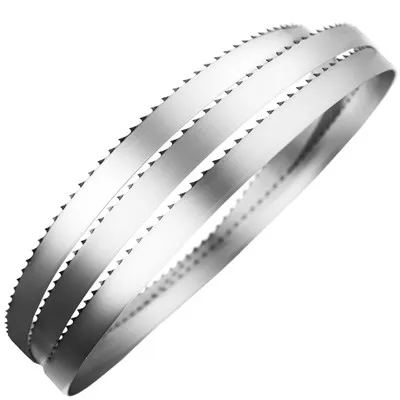
As a seasoned supplier of metal bandsaw blades, I’ve witnessed firsthand the challenges that come with using these powerful tools. One of the most common issues that operators face is the excessive noise generated during the cutting process. Not only can this noise be a nuisance, but it can also have a significant impact on the working environment, leading to potential hearing damage and reduced productivity. In this blog post, I’ll share some practical tips and strategies on how to reduce the noise when using a metal bandsaw blade. Metal Bandsaw Blade
Understanding the Sources of Noise
Before we can effectively reduce the noise, it’s essential to understand where it’s coming from. There are several factors that contribute to the noise generated by a metal bandsaw blade:
- Vibration: When the blade cuts through the metal, it can cause vibrations in the saw frame and the workpiece. These vibrations can be transmitted through the air as sound waves, resulting in a loud noise.
- Friction: The friction between the blade and the metal can also generate heat and noise. As the blade rubs against the metal, it can create a high-pitched screeching sound.
- Tooth Design: The design of the blade’s teeth can also affect the noise level. Blades with large, aggressive teeth tend to generate more noise than those with smaller, finer teeth.
- Blade Tension: If the blade is not properly tensioned, it can cause the blade to wobble and vibrate, resulting in increased noise.
Tips for Reducing Noise
Now that we understand the sources of noise, let’s explore some practical tips and strategies for reducing it:
- Choose the Right Blade: Selecting the right blade for the job is crucial. Consider the thickness and type of metal you’ll be cutting, as well as the desired cutting speed and finish. Blades with smaller, finer teeth tend to generate less noise than those with large, aggressive teeth. Additionally, blades with a variable pitch design can help reduce vibration and noise.
- Proper Blade Tension: Ensuring that the blade is properly tensioned is essential for reducing noise and vibration. Refer to the manufacturer’s guidelines for the recommended tension range for your blade and use a tension gauge to check the tension regularly. A properly tensioned blade will run more smoothly and quietly.
- Regular Maintenance: Keeping your bandsaw blade in good condition is essential for reducing noise. Clean the blade regularly to remove any debris or buildup that can cause vibration and noise. Additionally, sharpen the blade regularly to ensure a clean, smooth cut. A dull blade will require more force to cut through the metal, resulting in increased noise and vibration.
- Use a Blade Guide: A blade guide can help reduce vibration and noise by keeping the blade in place and preventing it from wobbling. Make sure the blade guide is properly adjusted and aligned with the blade to ensure maximum effectiveness.
- Lubrication: Applying a lubricant to the blade and the workpiece can help reduce friction and noise. There are several types of lubricants available, including water-soluble coolants and cutting oils. Choose a lubricant that is compatible with your blade and the type of metal you’ll be cutting.
- Isolate the Saw: Placing the bandsaw on a vibration-absorbing pad or platform can help reduce the transmission of vibrations to the floor and surrounding environment. Additionally, installing sound-absorbing materials around the saw can help reduce the noise level.
- Operator Training: Proper operator training is essential for reducing noise and ensuring safe and efficient operation of the bandsaw. Make sure your operators are trained on the proper use and maintenance of the saw, as well as the importance of using personal protective equipment (PPE) such as earplugs or earmuffs.
Case Studies

To illustrate the effectiveness of these tips and strategies, let’s take a look at a few case studies:
- Case Study 1: A manufacturing company was experiencing excessive noise levels in their metal cutting department. After implementing a comprehensive noise reduction program that included the use of quieter blades, proper blade tension, regular maintenance, and the installation of sound-absorbing materials, the noise level was reduced by over 50%. This not only improved the working environment for the operators but also reduced the risk of hearing damage.
- Case Study 2: A metal fabrication shop was struggling to meet the noise regulations in their area. By switching to a blade with a variable pitch design and using a blade guide, the noise level was significantly reduced. Additionally, the shop implemented a regular maintenance program to keep the blade in good condition, which further reduced the noise level. As a result, the shop was able to meet the noise regulations and avoid costly fines.
Conclusion
Wood Bandsaw Blade Reducing the noise when using a metal bandsaw blade is essential for creating a safe and comfortable working environment. By understanding the sources of noise and implementing the tips and strategies outlined in this blog post, you can significantly reduce the noise level and improve the performance of your bandsaw. As a metal bandsaw blade supplier, I’m committed to providing high-quality products and solutions that help our customers achieve their cutting goals while minimizing the impact on the environment. If you have any questions or need further assistance, please don’t hesitate to contact us. We’d be happy to discuss your specific needs and provide you with the best possible solutions.
References
- "Metal Cutting Handbook," Third Edition, by Robert L. Planchard
- "Machining Fundamentals," Fourth Edition, by John A. Schey
- "Cutting Tool Engineering Handbook," Fifth Edition, by David A. Dornfeld
Zhejiang Sipu Sawing Industry Co., Ltd.
With abundant experience, we are one of the most reliable metal bandsaw blade manufacturers and suppliers in China. Please feel free to buy high quality metal bandsaw blade made in China here from our factory. We also accept customized orders.
Address: No. 1129 Cangling Road, Huzhen Town, Jinyun County, Lishui City, Zhejiang
E-mail: ls@sipu.onaliyun.com
WebSite: https://www.sipu-saw.com/
