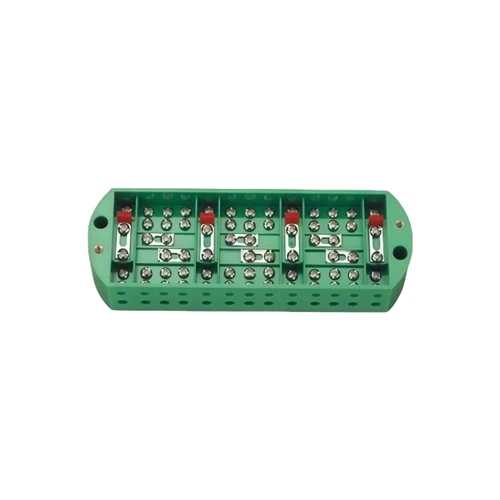
When it comes to the electrical industry, the importance of selecting a single-phase connector with proper mechanical strength cannot be overstated. As a long – standing single-phase connectors supplier, I’ve witnessed firsthand the impact that a well – chosen connector can have on the performance and longevity of electrical systems. In this blog, I’ll share some key considerations that can help you make an informed decision when selecting a single – phase connector with adequate mechanical strength. Single Phase Connectors
Understanding the Role of Mechanical Strength in Single – Phase Connectors
Single – phase connectors are used in a wide range of applications, from small household appliances to industrial machinery. Their primary function is to provide a reliable electrical connection, but mechanical strength plays a crucial role in maintaining this connection over time. A connector with sufficient mechanical strength can withstand the forces associated with normal use, such as插拔力 (oops, let me correct this, insertion and extraction forces), vibrations, and impacts.
For example, in a manufacturing environment, machinery often vibrates during operation. A connector with poor mechanical strength may start to loosen due to these vibrations, leading to intermittent electrical connections. This can cause equipment malfunctions, downtime, and potentially dangerous situations. On the other hand, a connector built with high mechanical strength can resist these external forces and maintain a stable connection, ensuring the smooth operation of the equipment.
Factors to Consider for Mechanical Strength
Material Selection
The choice of materials is one of the most fundamental factors affecting the mechanical strength of a single – phase connector. Different materials offer varying levels of strength, durability, and resistance to environmental factors.
- Plastic Materials: Many single – phase connectors use plastic for their housing. High – quality engineering plastics, such as polycarbonate or polysulfone, are popular choices. These plastics offer good impact resistance and can be molded into complex shapes. For instance, polycarbonate has excellent toughness, which allows it to withstand accidental drops and impacts during installation or maintenance. However, it’s important to note that the mechanical properties of plastic can be affected by temperature and humidity. In high – temperature environments, some plastics may become softer and lose some of their strength.
- Metal Materials: Metals are often used for the contacts and some structural parts of the connector. Copper alloys are commonly used for contacts due to their excellent electrical conductivity. However, for parts that require high mechanical strength, stainless steel or brass may be used. Stainless steel is known for its high corrosion resistance and strength, making it suitable for applications in harsh environments. Brass, on the other hand, offers a good balance between strength and machinability. It can be easily formed into the required shapes for connectors and provides reliable mechanical support.
Design Features
The design of the connector also significantly influences its mechanical strength.
-
Locking Mechanisms: A good locking mechanism is essential for ensuring a secure connection. There are various types of locking mechanisms available, such as screw – lock, bayonet – lock, and latch – lock. Screw – lock connectors provide a very secure connection as they require a tool to tighten and loosen. This makes them suitable for applications where the connector needs to withstand high levels of vibration or where accidental disconnection is not acceptable. Bayonet – lock connectors are quick and easy to connect and disconnect, and they also offer a relatively high level of security. Latch – lock connectors are often used in applications where quick and frequent connections and disconnections are required, but they still need to provide enough mechanical strength to prevent accidental separation.
-
Strain Relief: Strain relief is a design feature that helps to protect the electrical wires connected to the connector. When a wire is bent or pulled, the strain relief distributes the stress along a larger area, reducing the risk of wire breakage at the connection point. This is particularly important in applications where the wires are subject to movement or tension, such as in portable equipment or robotic systems.
-
Contact Retention: The ability of the connector to retain its contacts is another critical design aspect. A connector with good contact retention ensures that the electrical contacts remain in place and maintain proper alignment. This is achieved through features such as contact springs or locking mechanisms within the connector housing.
Application – Specific Requirements
The mechanical strength requirements of a single – phase connector can vary greatly depending on the application.
Household Applications
In household applications, single – phase connectors are commonly used in appliances such as refrigerators, washing machines, and televisions. While the mechanical stress in these applications is generally lower compared to industrial settings, connectors still need to be reliable. For example, in a TV, the connector needs to be able to withstand the normal handling during installation and occasional movement. A connector with a simple yet effective locking mechanism and durable plastic housing can meet these requirements.
Industrial Applications
Industrial applications often demand much higher mechanical strength from single – phase connectors. In factories, where machinery operates under high vibrations and heavy loads, connectors need to be extremely robust. For example, in a conveyor belt system, the connectors used to power the motors need to be able to withstand continuous vibrations and the weight of the materials being transported. Industrial connectors usually have metal shells, strong locking mechanisms, and excellent strain relief to ensure reliable operation.
Outdoor Applications
Outdoor applications introduce additional challenges due to exposure to environmental factors such as moisture, dust, and temperature variations. For single – phase connectors used in outdoor lighting systems or solar panels, mechanical strength is combined with weather resistance. The connector housing needs to be made of materials that can resist corrosion and degradation from UV light. Additionally, the sealing of the connector is crucial to prevent moisture and dust from entering and causing electrical failures.
Testing and Certification
As a single – phase connectors supplier, I understand the importance of testing and certification. Before a connector is released to the market, it should undergo a series of tests to ensure its mechanical strength meets the required standards.
- Insertion and Extraction Force Testing: This test measures the force required to insert and remove the connector. The insertion force should be within a reasonable range to ensure ease of use, while the extraction force should be high enough to prevent accidental disconnection.
- Vibration Testing: Connectors are subjected to vibrations at different frequencies and amplitudes to simulate real – world conditions. This test helps to identify any potential issues with contact stability and mechanical integrity.
- Impact Testing: A test where the connector is dropped or subjected to a sudden impact to evaluate its ability to withstand physical shocks without damage.
Certification from recognized standards organizations, such as UL (Underwriters Laboratories) or IEC (International Electrotechnical Commission), provides an additional level of assurance. These certifications indicate that the connector has met specific safety and performance requirements.
Why Choose Our Single – Phase Connectors
As a trusted single – phase connectors supplier, we take pride in offering a wide range of connectors with excellent mechanical strength. Our team of experts carefully selects the materials and designs our products to meet the diverse needs of our customers.
We use high – quality engineering plastics and metals in our connectors to ensure durability and resistance to various environmental factors. Our connectors are available with different locking mechanisms, strain relief features, and contact retention systems to provide reliable connections in all types of applications.
Moreover, all our products undergo rigorous testing to ensure they meet or exceed industry standards. Whether you are looking for connectors for household appliances, industrial machinery, or outdoor applications, we have the right solution for you.
Household Terminals If you are interested in learning more about our single – phase connectors or would like to discuss your specific requirements, we encourage you to reach out to us. Our sales team is ready to assist you with product selection, technical support, and pricing information. We look forward to the opportunity to work with you and provide you with the best single – phase connectors for your needs.
References
- International Electrotechnical Commission. (Year). IEC standards related to single – phase connectors.
- Underwriters Laboratories. (Year). UL standards for electrical connectors.
- Technical literature from leading manufacturers of single – phase connectors.
Hangzhou Lingcheng Technology Co., Ltd.
We are one of the most professional single phase connectors manufacturers and suppliers in China. With a professional production team, we are able to meet the needs of the majority of our customers. Please feel free to wholesale bulk high quality single phase connectors from our factory. Customized orders are welcome.
Address: Room 1613, 16th Floor, Building 3, No. 99 Wangzhou Road, Liangzhu Street, Yuhang District, Hangzhou City, Zhejiang Province
E-mail: LCKJ0408@163.com
WebSite: https://www.lingchengelectric.com/
