Hey there! I’m a supplier of tin solder balls, and I’ve been in this business for quite a while. Today, I wanna chat about the quality control measures we take in tin solder ball production. Tin Solder Balls

First off, let’s talk about raw materials. The quality of tin solder balls starts with the raw materials we use. We source high – grade tin and other alloying elements from reliable suppliers. Before we even start the production process, we conduct a series of tests on these raw materials. For instance, we check the purity of the tin. We use advanced analytical techniques like spectroscopy to determine the exact composition of the raw materials. This helps us ensure that there are no impurities that could affect the performance of the solder balls.
Once we’ve got the right raw materials, it’s time to start the production process. One of the key steps in production is the melting and alloying stage. We use specialized furnaces to melt the tin and other alloying elements together. During this process, we closely monitor the temperature and the mixing time. The temperature needs to be just right to ensure that the alloy is homogeneous. If the temperature is too low, the alloy might not mix properly, and if it’s too high, it could cause some of the elements to vaporize. We use thermocouples to continuously measure the temperature and make adjustments as needed.
After the alloy is melted and well – mixed, we move on to the ball – forming stage. There are different methods to form solder balls, but one of the most common ones is the dropping method. In this method, the molten alloy is dropped through a small nozzle. As the drops fall, they solidify into spherical balls. To ensure the quality of the balls, we need to control several factors. The size of the nozzle determines the size of the balls. We have to make sure the nozzle is clean and free from any blockages. Any debris in the nozzle can cause irregularly shaped balls.
We also pay close attention to the cooling rate. The cooling rate affects the internal structure of the solder balls. If the cooling is too fast, the balls might develop internal stresses, which can lead to cracking. On the other hand, if the cooling is too slow, the balls might not have the right mechanical properties. We use a controlled cooling system, which can adjust the cooling rate according to the type of alloy we’re using.
Once the solder balls are formed, we have a comprehensive inspection process. The first step is visual inspection. We use high – resolution cameras to check the surface of the balls. We look for any visible defects like cracks, dents, or irregular shapes. Balls with these defects are removed from the production line.
In addition to visual inspection, we also conduct size and shape analysis. We use precision measuring instruments to measure the diameter of the balls. The size of the solder balls is crucial, especially in applications where precise soldering is required. Any deviation from the specified size can lead to soldering problems. We also analyze the roundness of the balls. A perfectly round ball ensures better contact during soldering.
Another important aspect of quality control is the chemical analysis of the finished solder balls. We periodically take samples of the solder balls and analyze their chemical composition. This is to make sure that the final product has the same composition as the intended alloy. Any changes in the chemical composition can affect the melting point, wetting properties, and other important characteristics of the solder balls.
We also perform mechanical property tests on the solder balls. For example, we test the hardness of the balls. The hardness affects the ability of the balls to withstand the pressure during the soldering process. If the balls are too soft, they might deform easily, and if they’re too hard, they might not bond properly.
Now, let’s talk about the packaging and storage of the solder balls. Once the solder balls pass all the quality control tests, we package them in a clean and dry environment. We use special containers that protect the balls from moisture and oxidation. Moisture can cause corrosion of the solder balls, which can affect their performance. We also label the packages clearly with information about the size, composition, and batch number of the solder balls.
During storage, we keep the solder balls in a controlled environment. The temperature and humidity are carefully regulated to prevent any degradation of the product. We also have a first – in – first – out (FIFO) system to ensure that the older stock is used first.
All these quality control measures are in place to ensure that our customers get the best – quality tin solder balls. Whether you’re in the electronics manufacturing industry, where precision soldering is a must, or any other industry that requires high – quality solder balls, you can count on us.
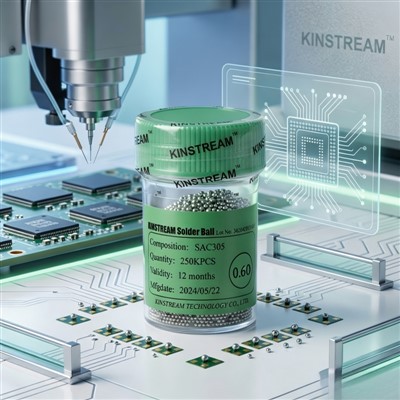
If you’re interested in our tin solder balls and want to learn more about our products or discuss a potential purchase, don’t hesitate to reach out. We’re always happy to have a chat and see how we can meet your needs.
CCGA Solder Column References:
- "Soldering Handbook" by some well – known soldering experts
- Industry standards and guidelines for tin solder ball production
Kinstream Technology Co., Ltd.
We’re well-known as one of the leading tin solder balls manufacturers and suppliers in China. We warmly welcome you to wholesale bulk high quality tin solder balls in stock here from our factory. If you have any enquiry about customized service, please feel free to email us.
Address: Room 311, Bldg., 7D, Hengda Shishang Huigu, Dalang Street, Longhua District, Shenzhen, China
E-mail: valuemaxau@163.com
WebSite: https://www.kinstreamspheres.com/
